Currently, Bahia is the largest producer of guaraná in Brazil, a country that accounts for nearly 100% of the global market. The state of Bahia is responsible for 67.7% of Brazil's production, while the Amazon, the region of origin for guaraná, delivers only 18.4% of the volume produced.
Although production figures favor the Northeast, guaraná and the Amazon share an inseparable relationship, both historically and culturally. It was the Sateré-Mawé people, who inhabit the Andirá-Marau indigenous territory on the border between Amazonas and Pará, who pioneered the cultivation of guaraná. They learned to domesticate the wild vine, making the spread of the product across Brazil and the world possible.
For the Sateré-Mawé, guaraná is intimately linked to their worldview, their interpretation of the Universe. Called waraná by them, it is used in rituals and forms a core part of their cultural identity. Its cultivation and processing are carried out in a traditional manner, without external interference, as a way of preserving this identity.
GEOGRAPHICAL INDICATIONS
Precisely due to the preservation of this Sateré-Mawé know-how, they were the first indigenous people in the country to receive a Indicação Geográfica (IG) [Geographical Indication] in 2020. The Geographical Indications, granted by the Instituto Nacional de Propriedade Intelectual (Inpi) [National Institute of Industrial Property], certify products that possess particular characteristics and value due to their region of origin or the way they are produced.
In the case of the Geographical Indication of the guaraná from the Andirá-Marau Indigenous Territory, the registration was granted as a Denomination of Origin (DO) for waraná (native guaraná) and waraná bread (or guaraná stick). The ‘DO’ attests to the particularities of a specific product resulting from its geographical environment, as well as human factors, in other words, traditional production techniques.
In addition to the Sateré-Mawé's GI, another guaraná GI was granted by INPI in 2018 for the guaraná of Maués, in Amazonas, one of the municipalities where the Andirá-Marau Indigenous Territory is located. The strength of the species' production in the municipality is directly related to its indigenous heritage. However, unlike the Sateré-Mawé's GI, the Maués GI is an Indication of Provenance (IP), which focuses on the location's tradition and reputation for producing that item.
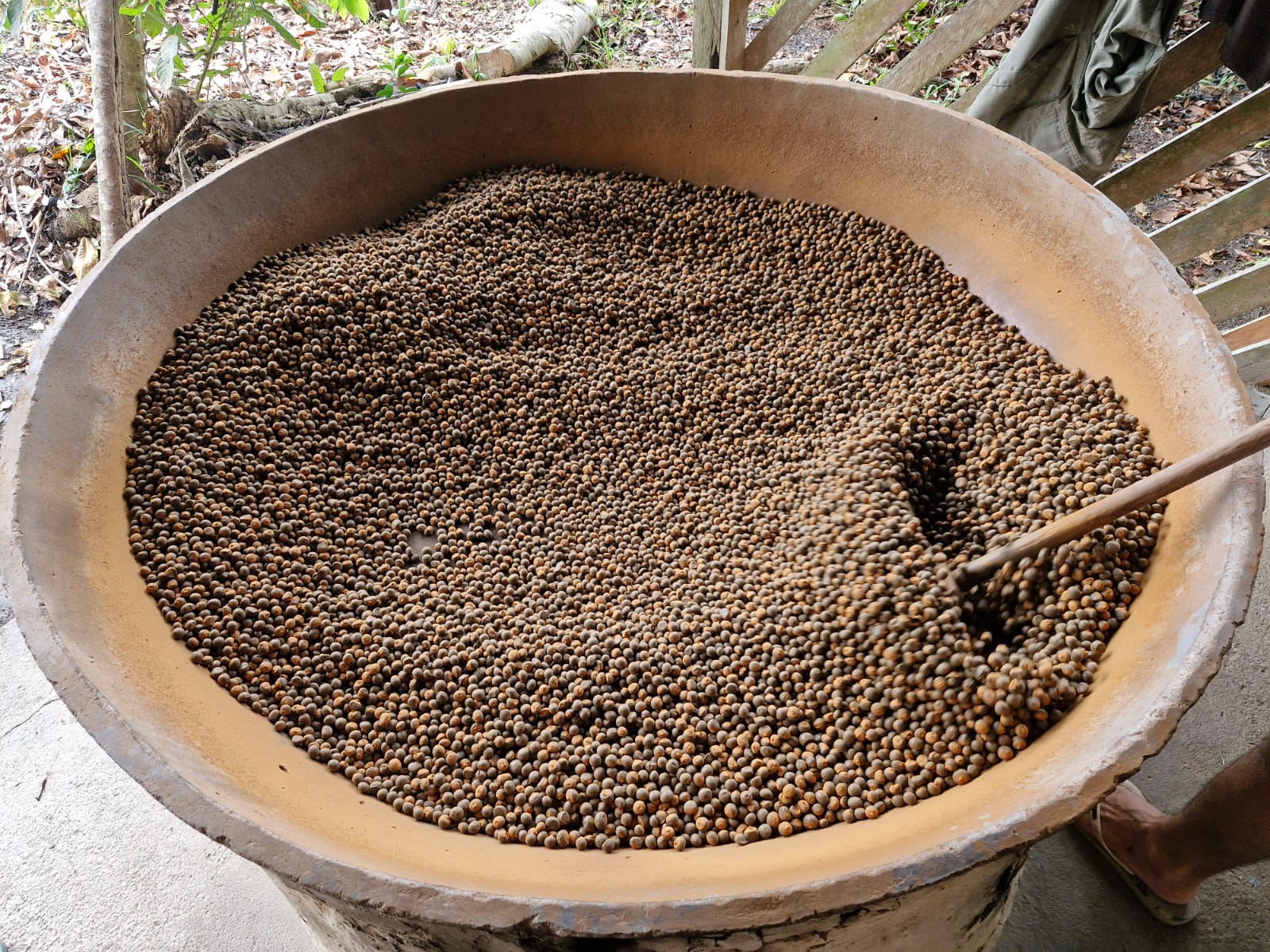
For guaraná producer Elias Souza, obtaining the GI is a commercial advantage. "The seal ensures that this guaraná is produced here in Maués, according to our traditional techniques, perfected over time. Today, we harvest it and leave it fermenting for two or three days before roasting. And we only use clay ovens for this, unlike other places that use iron ovens or dry it in the sun. Roasting in a clay oven is basically done only in the municipality of Maués, adopting this tradition that came from the original peoples," says Souza.
From generation to generation
Elias Souza is part of a family that has been cultivating guaraná for three generations. "My paternal grandfather already worked with guaraná. My father expanded the cultivation and production area, so I was born into this context. My brothers and I graduated, completed postgraduate studies, but we never left this cultivation behind. And now we already have a nephew interested in the activity, which is very strong in the municipality," he says.
The family's brand, which already carries the GI seal, is "Guaraná Seu Miguel," in honor of Elias's father. "We sell the guaraná em rama, that is, the dried seeds roasted in a clay oven, or we process it into powder, which adds greater value to the product," says Souza.
According to Lázaro Souza, Elias's brother, the greatest distinguishing feature of the guaraná from Maués is its caffeine content. "This content is higher than any other guaraná in Brazil. It reaches 6.5%, while others only reach 3 or 4%. This high level is sought after by those looking for guaraná as an energy source," he points out.
GENETIC IMPROVEMENT
According to agronomist André Luiz Atroch, a researcher at the Empresa Brasileira de Pesquisa Agropecuária (Embrapa) [Brazilian Agricultural Research Corporation] Amazônia Ocidental [Western Amazon], the institution has been researching guaraná since the 1970s, when the company was founded in Amazonas. "We are the only institution in the world working with the genetics and breeding of guaraná, developing highly productive and disease-resistant varieties. Furthermore, we provide recommendations to producers regarding spacing, fertilization, harvest times, and processing methods," the specialist states.
Today, there are 20 genetically improved varieties produced by Embrapa: 19 from vegetative propagation, that is, when plants are generated from fragments or parts of a mother plant, and one from seed. "So, over time in Maués, traditional varieties were replaced by our materials in the case of family farmers, which does not happen in the Terra Indígena Andirá-Marau, where they prefer to maintain production traditions, primarily linked to cultural aspects," Atroch adds. According to the agronomist, Maués is the largest producer of guaraná in Amazonas, the state that holds the second position in production in the country.
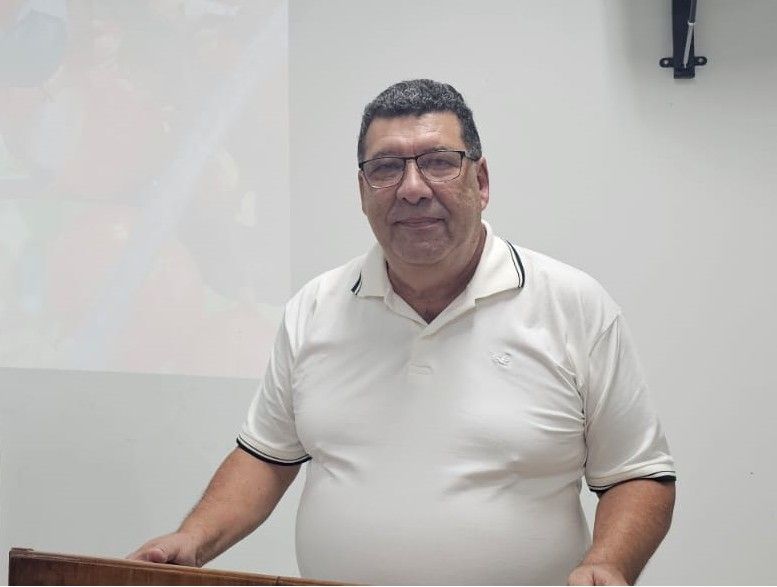
According to Elias Souza, who studied the cultivation of guaraná from Maués in his master's thesis, there are three types of production in the municipality. "We have the cultivation by the Sateré-Mawé, who do not want any technological innovation; we have the cultivation by the smallholder and ribeirinho [traditional riverside dweller], who adopt traditional knowledge passed down from generation to generation; and we have technified cultivation, with a more scientific standard," he explains.
Innovation boosts artisanal guaraná from Maués
Italian Luca D’Ambros arrived in Brazil in 2002 as a lay volunteer for a missionary institute. In Maués, after venturing into other businesses, he decided to start cultivating guaraná in 2009.
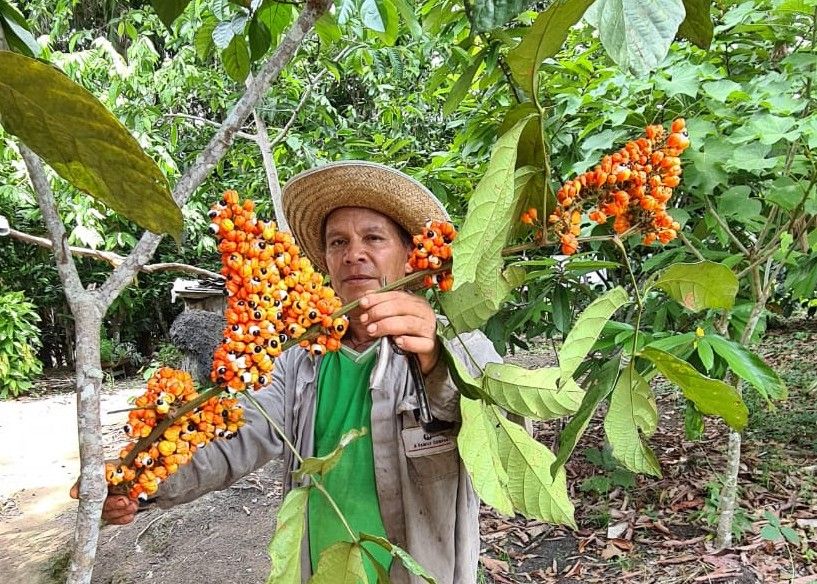
In 2016, he realized that selling the guaraná seeds to the industry was not very economically advantageous, as everything was done in a highly traditional manner. "The guaraná is harvested ripe, hand-picked one by one from the plant, leaving the green fruits and only picking the open fruit, which has that eye-like appearance. Then, it is fermented, pulped, washed, and roasted for eight hours in a clay roasting pan, so that it can later be shelled to make the stick or the powder. It's a very manual and complicated process that didn't pay the bills," he explains.
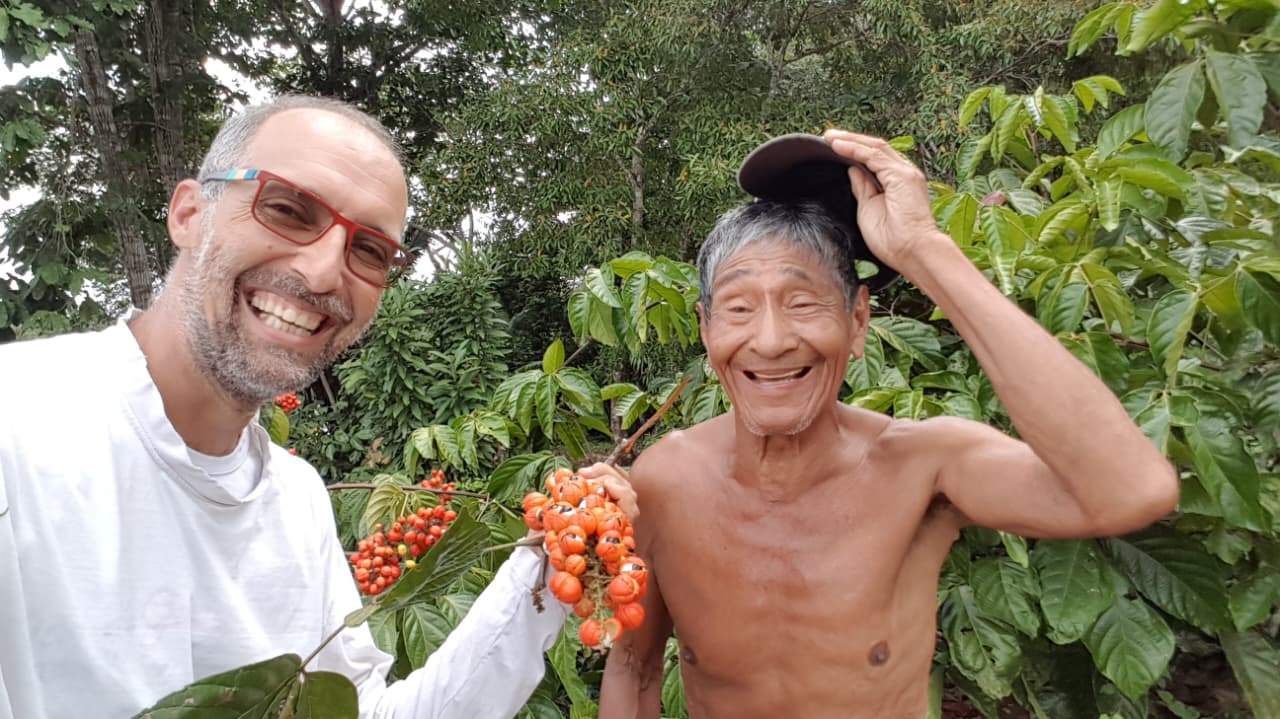
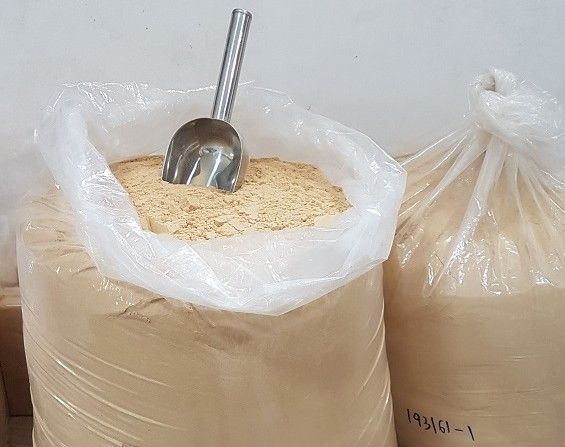
That year, D’Ambros began producing guaraná powder, vacuum-packing it, and selling it across Brazil through a website. "I sold everything, because after all, the guaraná from Maués is the real guaraná. And there are customers willing to pay and wait for the shipping time," he states.
Since his entire production was sold out, D’Ambros started buying his neighbors' production to continue serving his customers. "I understood that we could process and sell the guaraná powder with a higher profit margin than selling the seeds to the industry. So, I created a brand, buying guaraná from other producers, always checking quality criteria, such as the clay roasting pan. And paying a fair price, much higher than what the industry paid," he points out.
"Today, we sell all over Brazil and even abroad, but always maintaining this essence of being an artisanal guaraná, from Maués, with the local history and culture behind it," the entrepreneur adds.
WITH COCOA
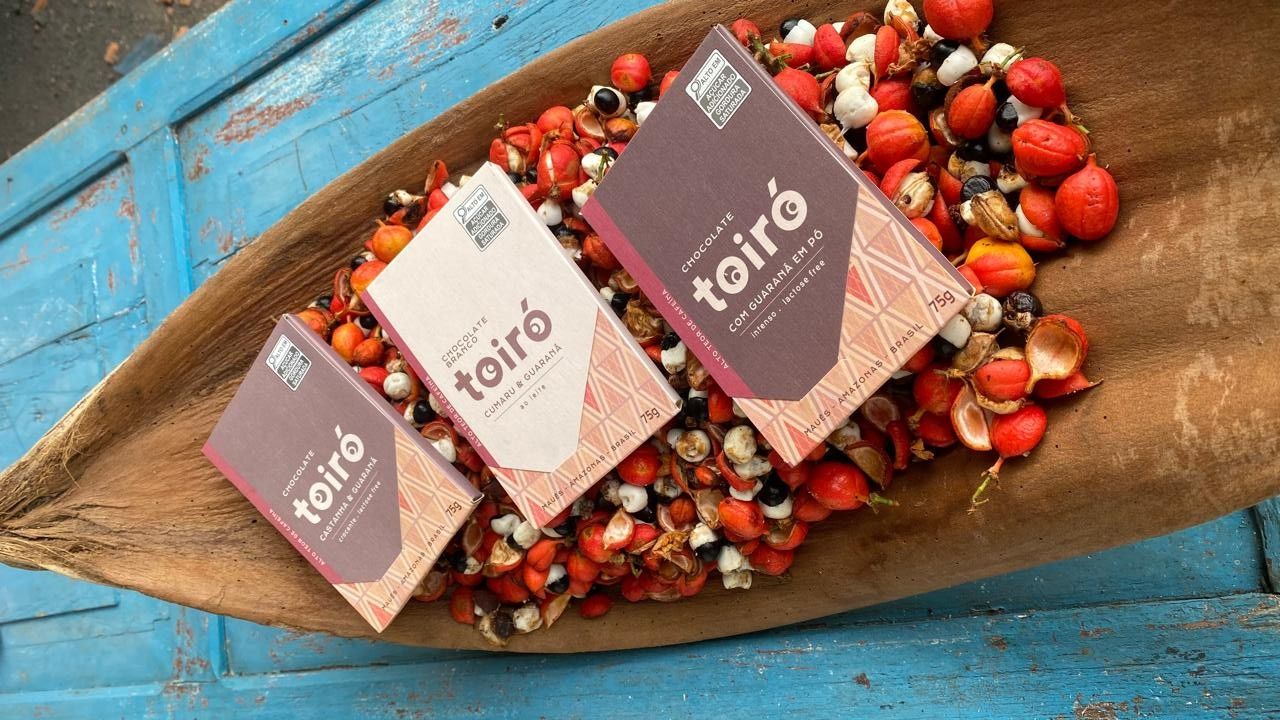
Now, D’Ambros’s agribusiness is already producing innovations. "In the region, we have a lot of cocoa, but there is also already a lot of Amazonian chocolate production. So, I decided to add to the cocoa something that only Maués has: our guaraná, which is special and not bitter. I put 8 to 10% of guaraná in the chocolate. A 25-gram bar of our chocolate is equivalent to two espressos, that is, two grams of guaraná powder," he details.
According to the Italian, people consumed guaraná powder by grating the stick into water, in capsules, or in energy drinks, but no one had put it inside chocolate. "Today, everyone needs energy and focus for work and family, but usually, a tasty energy drink isn't natural, and a natural one isn't tasty. We broke this paradigm with a product that is highly energizing and very tasty," he assures.
PRIDE
Elias Souza likes to say that Maués, the municipality where he was born, is the city of guaraná. "I really like the fact that we are in the place where guaraná originates, where the indigenous peoples began cultivating it. It makes us uncomfortable to see guaraná represented on the Brazilian National Team jersey, because it doesn't look like guaraná, but rather acerola. In Brazil, even in the Amazon itself, there are people who don't know the fruit, and the image on the jersey travels the world. I think guaraná is a symbol of the Amazon, but it should also be one of the symbols of Brazil," he concludes.
INSTITUTIONAL PARTNERSHIP
The production of Liberal Amazon is one of the initiatives of the Technical Cooperation Agreement between the Liberal Group and the Federal University of Pará. The articles involving research from UFPA are revised by professionals from the academy. The translation of the content is also provided by the agreement, through the research project ET-Multi: Translation Studies: multifaces and multisemiotics.