Encouraging scientific curiosity among children and adolescents is a fundamental strategy for shaping young people who are more critical, creative, skilled at analyzing facts and solving problems, and better connected to the challenges of the contemporary world. In times of the rapid circulation of information—and also misinformation—early scientific education helps foster critical thinking and reflection about society.
When it comes specifically to the Amazon, the skills developed through scientific training from an early age contribute not only to the development of academic vocations, but also to a more discerning perspective on the region, its inequalities, and its development potential. For this reason, Amazonian states such as Pará and Amazonas invest in scientific education programs and projects aimed at school-age students.
YOUNG RESEARCHERS
In Pará, the Museu Paraense Emílio Goeldi (MPEG), a research institution with nearly 160 years of tradition, has been bringing children and adolescents closer to scientists and the research conducted at the institution since 1997. The so-called “Clube dos Pesquisadores Mirins” [Young Researchers Club] has trained around 4,500 young researchers over nearly three decades, many of whom have gone on to pursue academic careers.
The Club holds new selection processes every year. This year, 50 places were offered to students from the 5th to the 9th grades of elementary school and the 1st year of high school, enrolled in public and private schools in the Belém metropolitan area. Half of the places are reserved for students from the public school system.
Two groups will be formed, each with 25 participants. One of them, called Animal Planet – From the Magnifying Glass to the Binoculars, includes students from the 5th to the 9th grades and focuses on studying the relationships among animals, human populations, and the environment. The other, Gardens of Science, brings together students from the 8th grade through the 1st year of high school and aims to uncover the science present in people’s everyday lives and in society. Classes begin at the end of the month, following the completion of an ongoing selection process.
FINAL OUTPUT
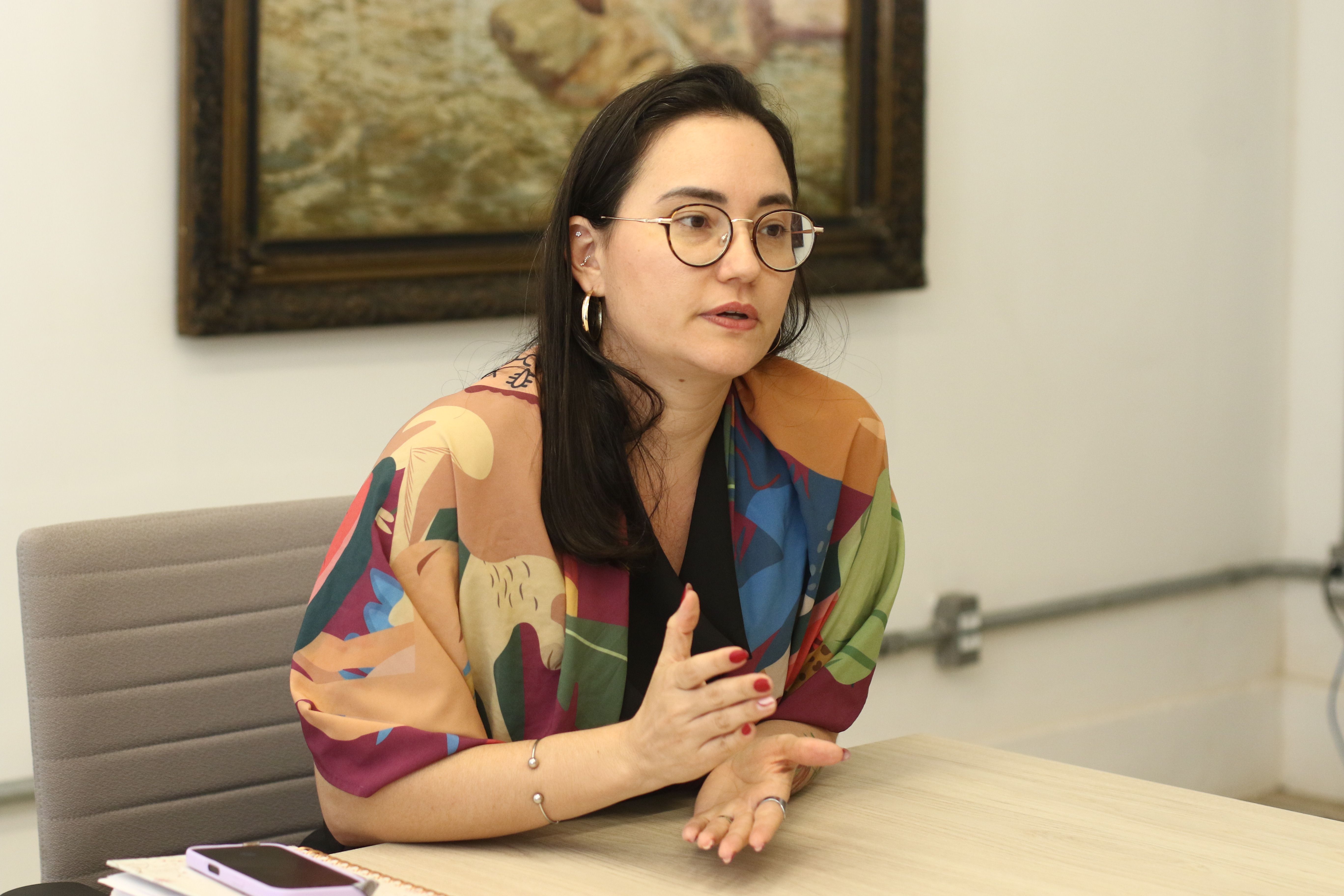
Mayara Larrys, head of the MPEG Education Service, explains that students in the Club attend weekly classes over the course of one year. “The classes are based on the Freirean principle of nurturing curiosity about what we produce at the Museum. They become familiar with the fauna and flora of our Zoobotanical Park, visit the exhibitions and our research areas, laboratories, kits, and teaching materials. They learn about the daily work of a researcher, from the process of producing scientific knowledge to the process of communicating that science,” she explains.
From all these experiences, a theme emerges for each group, which must then be transformed into a communication product. “They study the topic, understand it, and then produce a communication material guided by their creativity, but always shaped by scientific strategies. The product may be a booklet or some type of kit, such as an entomological box or an archaeological box,” the manager details.
Awareness through early scientific education
According to Nilson Gabas Jr., director of the Goeldi Museum, the Young Researchers Club aims to bring children and adolescents closer to the research carried out at the institution from a very early age. “The initiative is a way of raising awareness about regional belonging and Amazonian identity, because the Club focuses primarily on Amazon-related issues and on the interface between research and the everyday lives of these students and their families. It is a process of awareness-building through early scientific education. It is important to spark interest in science and to show how much it is part of people’s lives, especially in this post-pandemic period, when science has been so strongly denied. We need to avoid this type of negative interaction,” the director emphasizes.
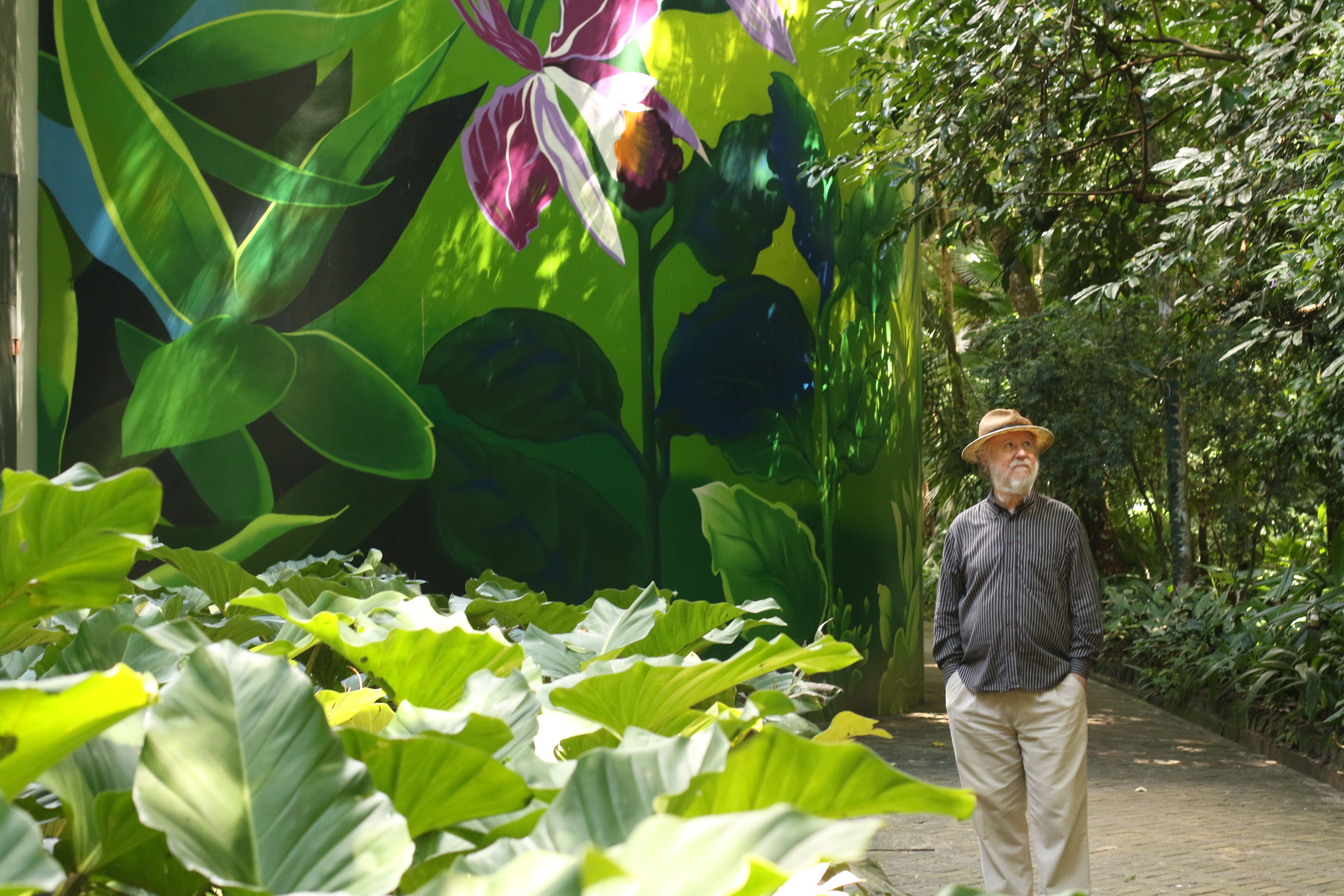
“We know that, out of the 50 students, not all will become scientists. Some do, in fact, develop an interest in scientific production and go on to pursue academic careers. But there are others who do not follow that path and instead become excellent managers for the Amazon— as college-educated individuals who occupy decision-making positions related to the region. That is remarkable, because you can see that what was learned in the Club served as a turning point and will be applied throughout their lives and to regional development,” Gabas Jr. adds.
A biologist´s future shaped by early experiences
Biologist Samantha Vilhena, 27, was one of the Club’s students between 2009 and 2014. Her participation was fundamental in shaping her future. Today, she is pursuing a master’s degree in the Environmental Sciences Program, a partnership between MPEG, the Federal University of Pará (UFPA), and the Empresa Brasileira de Pesquisa Agropecuária (Embrapa) [Brazilian Agricultural Research Corporation].
“At the age of eight, while accompanying my mother to classes at UFPA, I told her that I wanted to become a biologist. She then decided to enroll me in the Club. I started with the topic of prehistoric animals of the Amazon, then moved on to botany studies, amphibian research, and even programming to create online games. It was within the project that my childhood curiosity was transformed into something more structured. I earned a degree in Biology from USP [University of São Paulo], and I am certain that this was only possible because of the training the Club provided,” she recalls.
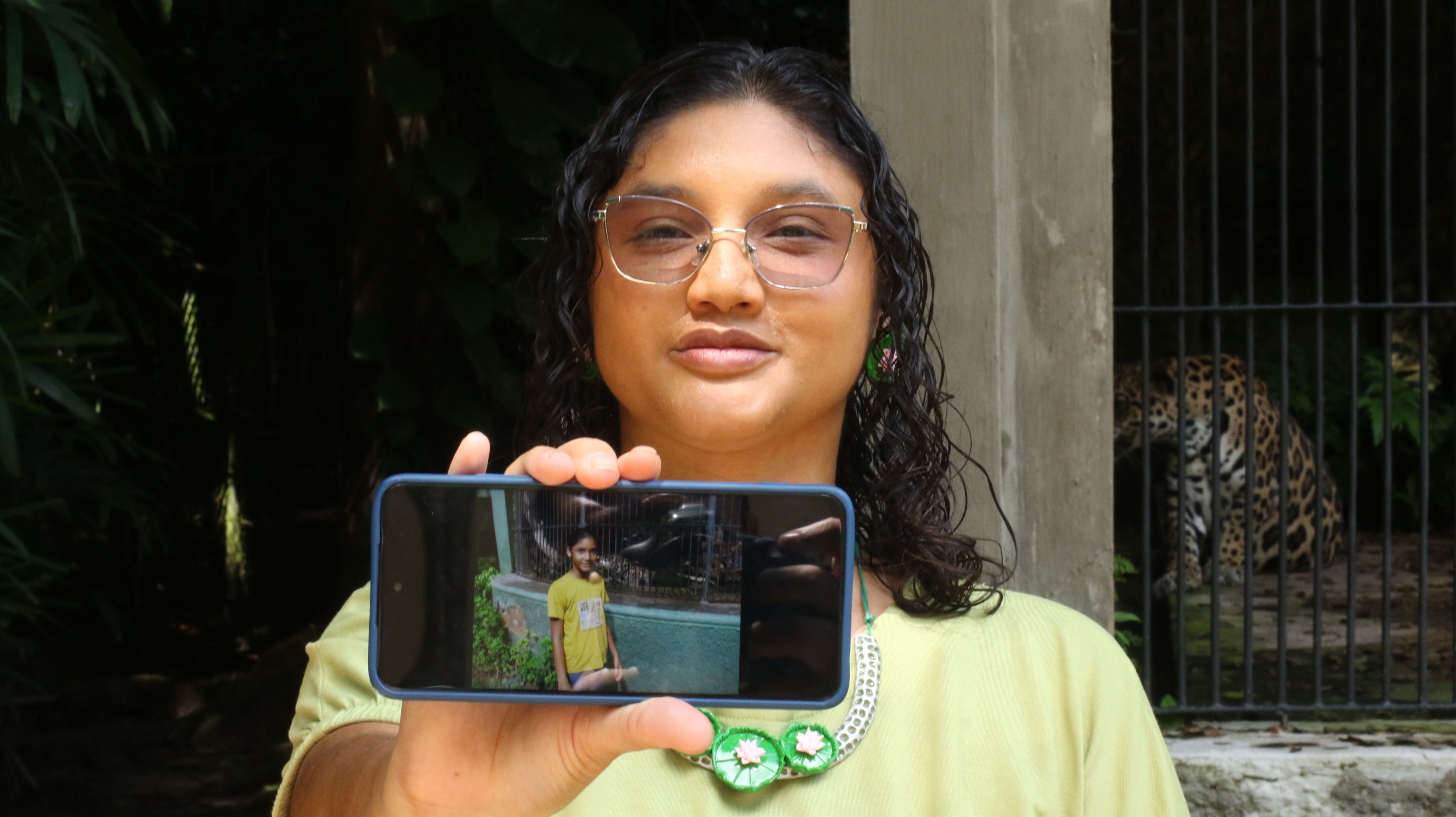
In addition to being deeply influenced by her experience in the Young Researchers Club, Samantha also left her mark on the Museum. “In 2009, Goeldi received a rescued jaguar cub. A contest was held to choose its name, and at the time I was reading a book about Amazonian legends and mythologies. I chose the name Luakã, which means ‘she who shines like the moon,’ because when she arrived, she was radiant—everyone wanted to come see the little jaguar. The name I chose received the most votes,” she says, standing beside the enclosure from which Luakã watches the interview.
Seduc invests in an innovation center
Also in Pará, the State Department of Education (Seduc) invests in scientific education through the Center for Innovation and Sustainability in Basic Education (Ciseb), based in Belém. With just over a year of operation, the center has already trained more than 2,000 students and teachers.
“Ciseb operates as a hub for scientific education, technology, and innovation. Its initiatives are structured around learning pathways that include Educational Robotics, Artificial Intelligence, Maker Culture (3D printing and laser cutting), Sustainability, and Applied Engineering. The key differentiator is the application of the scientific method from basic education onward. Students are guided to identify real societal problems, formulate hypotheses, conduct research, test prototypes, and develop evidence-based technological solutions,” explains Rafael Herdy, Seduc’s Director of Innovation.
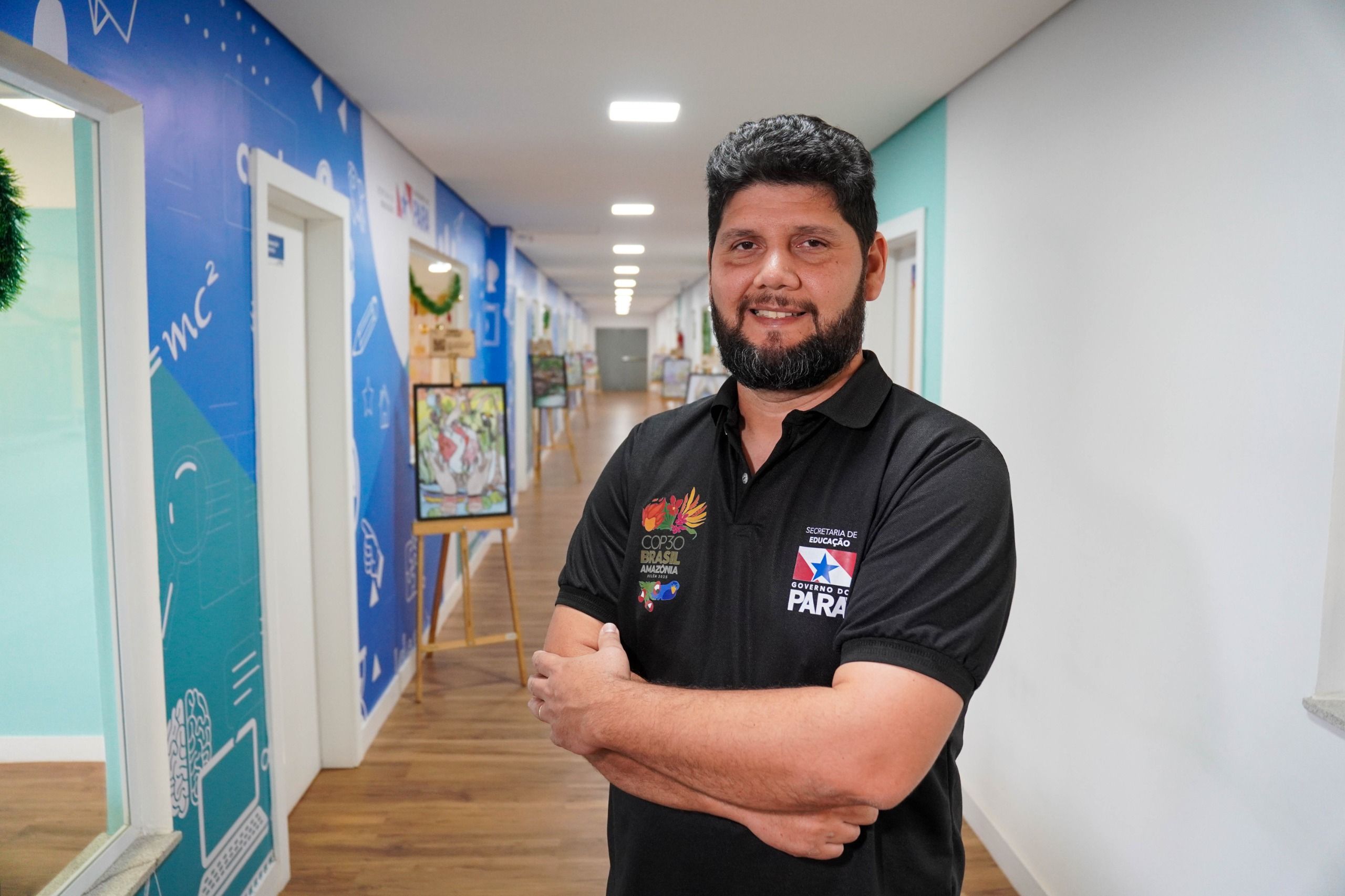
Ciseb serves elementary and high school students from the state public school system and also provides training for teachers, enabling them to integrate technology and scientific education into the school curriculum and to act as multipliers of the culture of innovation promoted by the Center.
For Herdy, the results achieved demonstrate the initiative’s impact. “Our students not only participate in scientific events, but also compete at a high level, earning awards and national recognition. We have four main pillars: scientific literacy, youth leadership, the strengthening of identity and belonging, and the fight against inequalities by democratizing access to laboratories, artificial intelligence, and engineering. More than teaching, Ciseb trains young researchers, innovators, and leaders capable of transforming the reality of the Amazon through science,” the director states.
Personal and academic development
Seventeen-year-old student Wender Pantoja, one of the participants in Ciseb’s activities, believes the initiative contributed not only to his academic development, but also to his personal growth. “In terms of school, it broadened my interdisciplinary perspective, connecting science, technology, and environmental education. On a personal level, it helped me develop social responsibility, teamwork skills, creativity, and a commitment to environmental causes—especially the Amazonian reality, which is part of our identity and needs to be increasingly valued and protected,” he says.
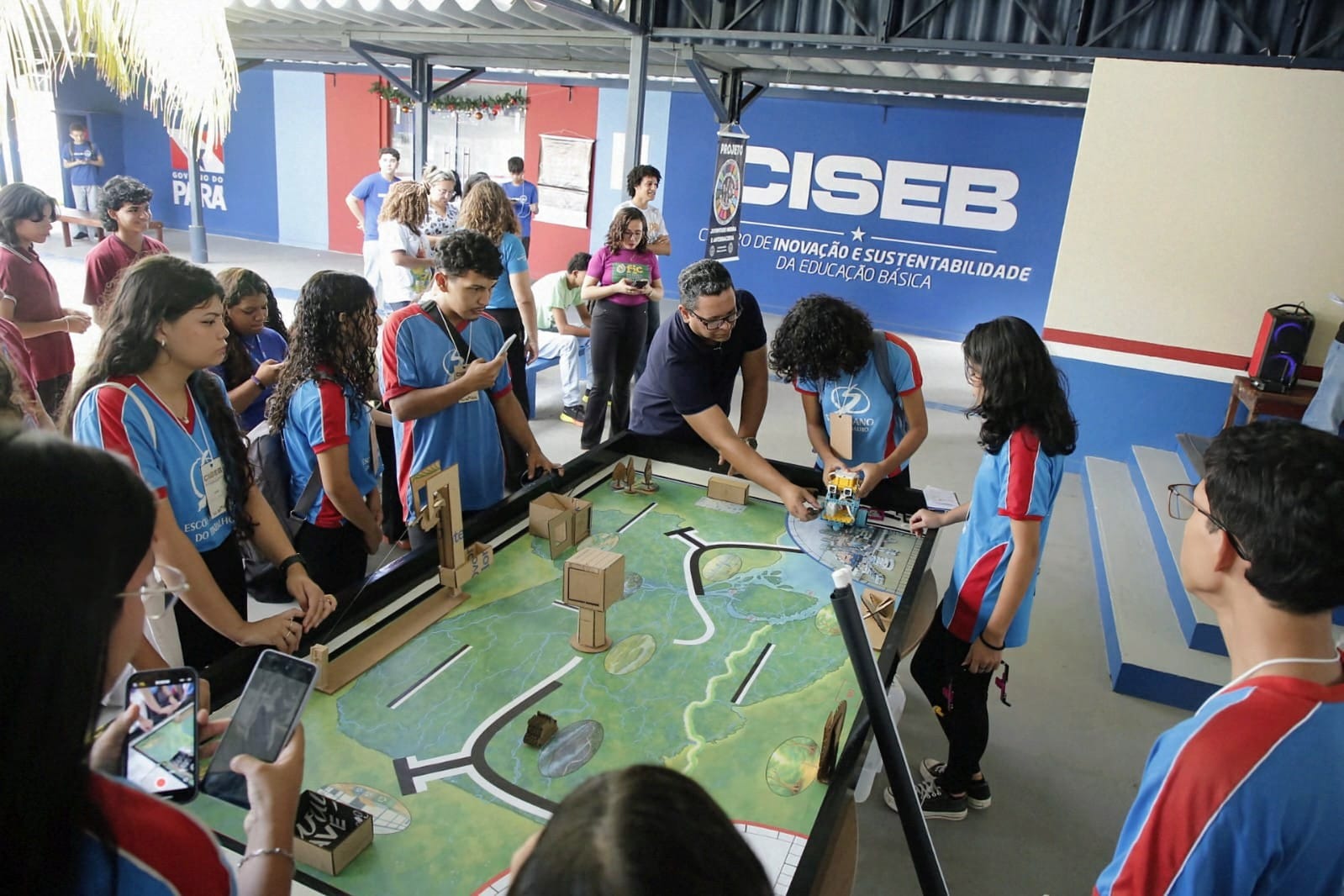
Wender developed a project focused on environmental awareness. “The main activity involved creating 3D-printed models of Amazonian marine animals, designed in a didactic and inclusive way, especially for people with ASD [Autism Spectrum Disorder] and visual impairments. Sometimes these individuals are unable to visualize these animals, so we adapted the models so they could touch them, feel them, and understand their textures. This makes learning and environmental awareness easier. Through the project, I learned not only about technology and sensitivity, but also about accessibility and the importance of making knowledge democratic. I consider it extremely important to bring science and technology to students from an early age, because it stimulates critical thinking, creativity, and youth leadership,” the student concludes.
Science at School provides scholarships for students and teachers
In Amazonas, the Programa Ciência na Escola (PCE) [Science at School Program] has been in operation since 2004. The initiative is a partnership between the Fundação de Amparo à Pesquisa do Estado do Amazonas (Fapeam) [Amazonas State Research Support Foundation], the Secretaria de Estado de Educação e Desporto Escolar [State Department of Education and School Sports] and municipal departments of education. PCE promotes research, technology, and innovation in basic education through public calls that award scholarships to teachers and students from the 5th to the 9th grades of elementary school and from the 1st to the 3rd years of high school, supporting the development of scientific research and technological innovation projects.
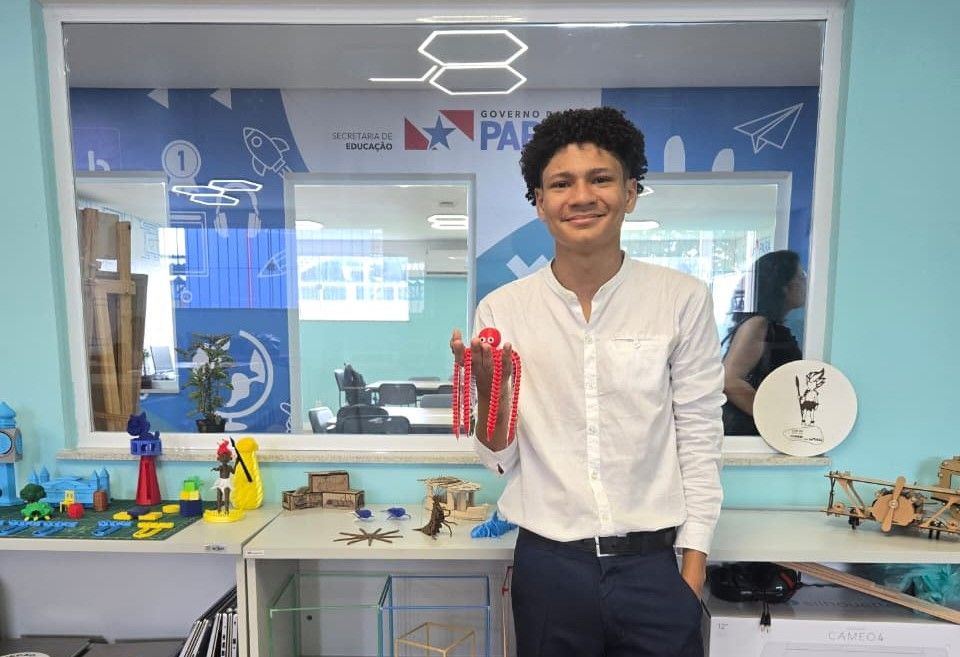
Over the years, the program has reached 54 of Amazonas’s 62 municipalities and, this year, opened opportunities for state schools in several municipalities and municipal schools in Manaus, Coari, Manacapuru, and Uarini. The goal is to select up to 700 projects across the participating cities. Scholarships are awarded to both teachers and students.
Among standout projects from previous years are the creation of an educational game on the MIT App Inventor platform, called Curumim Quiz Quest, designed to support learning among 5th- and 9th-grade students, and the development of the board game Thermochemical Pathway, which teaches thermochemistry concepts and their everyday applications in a playful way.
INVESTMENT
According to Márcia Silva, president and executive director of Fapeam, early scientific education at the basic education level is a strategic investment for regional development. “When students develop research projects based on problems experienced in their own communities, they begin to view their territory differently, seeking innovative solutions to local challenges in areas such as education, the environment, health, technology, and sustainability. This strengthens the link between science and regional reality and contributes to the training of future professionals aligned with the needs of Amazonas,” she argues.
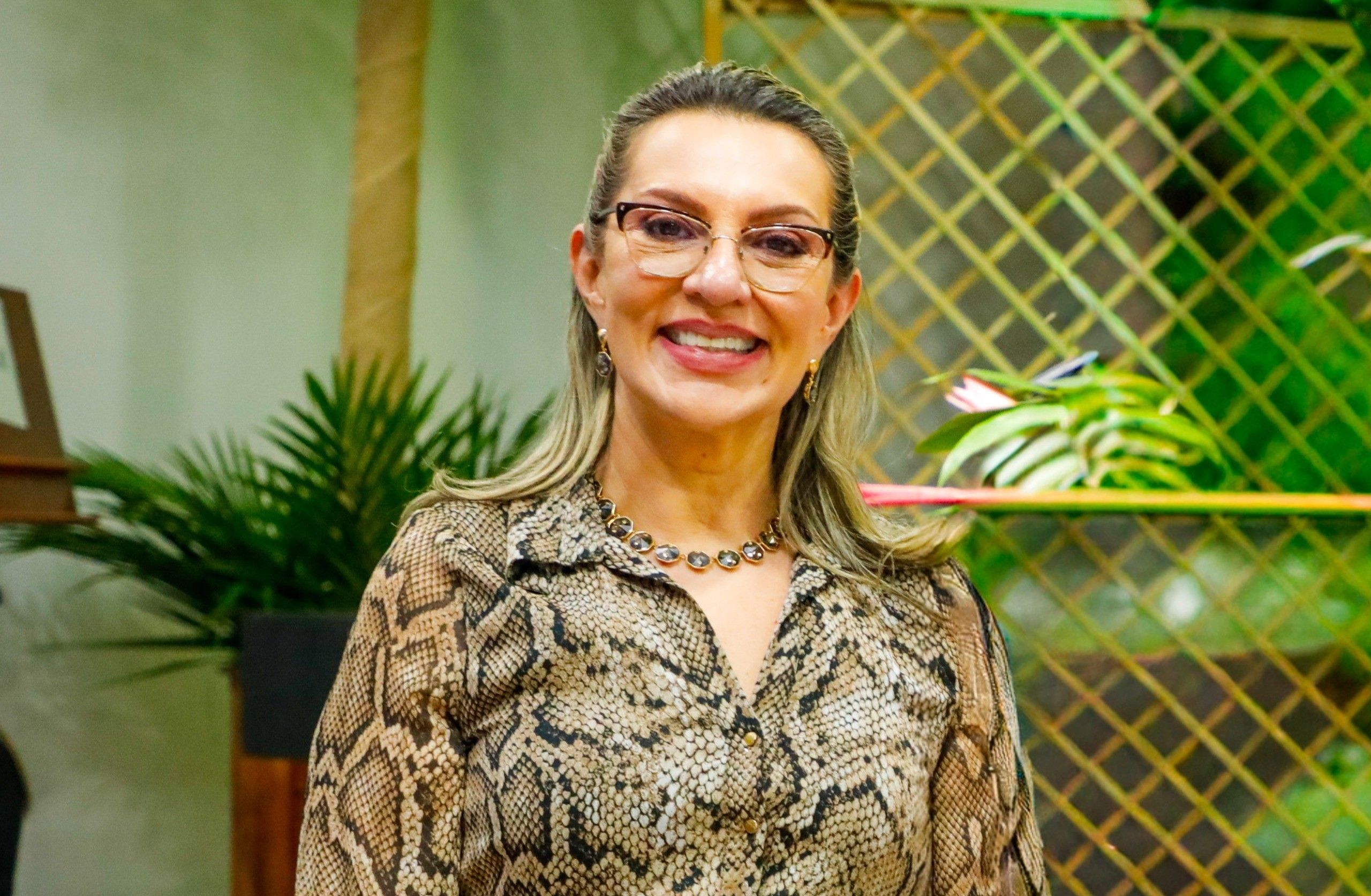
“Moreover, early scientific education contributes to the development of qualified human capital, which is essential for the region’s scientific, technological, and social development. By encouraging students to continue their studies and remain on an academic path, the program helps reduce educational inequalities and expands opportunities to train researchers, teachers, and professionals who can act directly in strengthening local institutions and advancing regional science,” the director concludes.
INSTITUTIONAL PARTNERSHIP
The production of Liberal Amazon is one of the initiatives of the Technical Cooperation Agreement between the Liberal Group and the Federal University of Pará. The articles involving research from UFPA are revised by professionals from the academy. The translation of the content is also provided by the agreement, through the research project ET-Multi: Translation Studies: multifaces and multisemiotics.