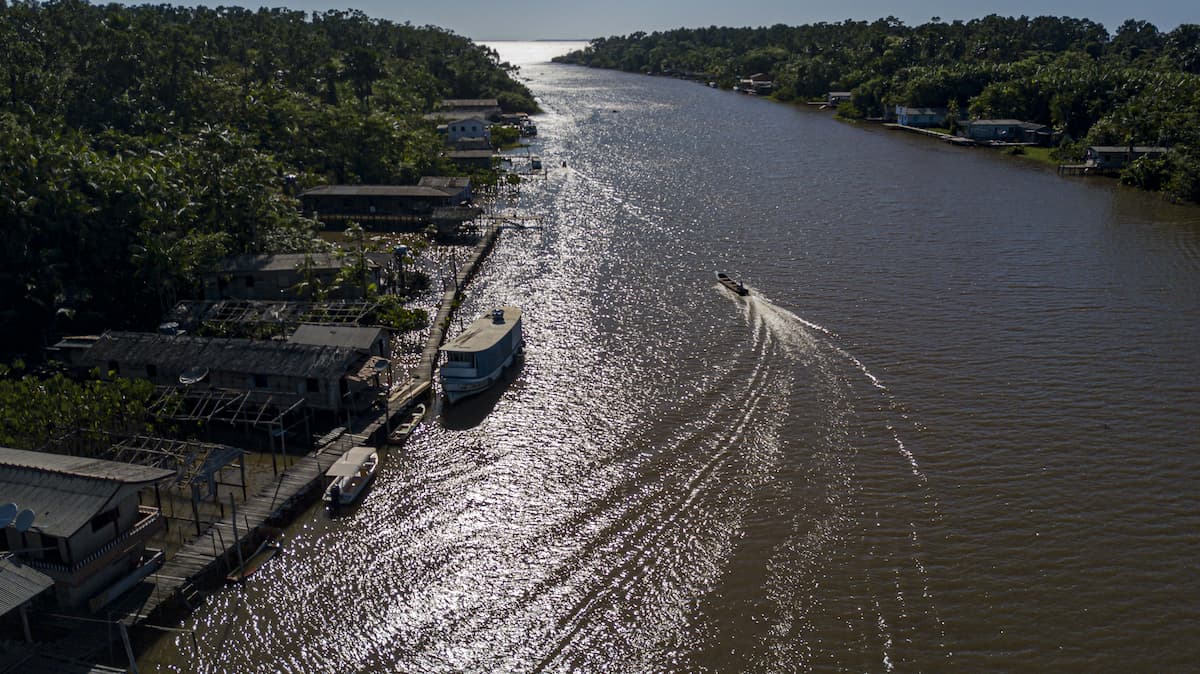
The Balbina Hydroelectric Power Plant, located in the municipality of Presidente Figueiredo, Amazonas, is considered by experts to be one of the greatest socio-environmental disasters in the Amazon and Brazil. Situated about 200 kilometers from Manaus, the plant was built during the military regime and flooded 2,360 square kilometers of primary forests, impacting around 3,000 traditional riverside dwellers (ribeirinhos) and encroaching upon traditional lands of the Waimiri-Atroari indigenous people.
Nearly 50 years after construction, began in 1979, the project continues to cause socio-environmental impacts. Therefore, a joint initiative between the Federal University of Amazonas (UFAM), the University of São Paulo (USP), the Public Defender's Office of the State of Amazonas (DPE/AM), and the Movimento dos Atingidos por Barragem do Amazonas (MAB/AM) [Amazonas Dam-Affected People's Movement] created the Comissão da Verdade de Balbina (CVB) [Balbina Truth Commission]. The initiative aims to recover the memory of the hydroelectric power plant's construction and promote socioeconomic and psychosocial reparations for those affected.
The CVB was created about a year ago, with its inaugural meeting held in September 2025. A first technical report ("Balbina Never Again - Report I - The Foretold Tragedy"), spanning nearly 200 pages, has already been published this year. The data points to controversies and errors in the management and construction of the power plant.
For the report conception, the Comissão da Verdade de Balbina [Balbina Truth Commission team] conducted researches in historical documents and interviewed the population surrounding the project, such as those in Ramal da Morena, which borders the Uatumã River, the watercourse dammed for the construction of the hydroelectric plant, and the Vila de Balbina, created in the 1980s to house people involved in the execution of the enterprise.
Drowned forest, poor energy efficiency
The CVB report recalls that the Balbina dam was one of the military regime's major projects for the Amazon, intended to "Integrate so as not to surrender it [to foreigners]," treating the region as a supposed demographic void. Decades later, the socio-environmental impacts of these large infrastructure projects are well documented.
In Balbina's case, the area that had to be flooded in 1987 was enormous, without proper fauna rescue or timber removal from the area, including hardwood. The 2,360 km² flooded correspond to about 330,000 soccer fields. "It's roughly the same area as Lake Tucuruí [from the hydroelectric plant of the same name]. But Tucuruí has 32 times more installed power generation capacity, about 8,000 megawatts," states ecologist Philip Fearnside, a researcher at the National Institute of Amazonian Research (Inpa) and author of a book on the Balbina case.
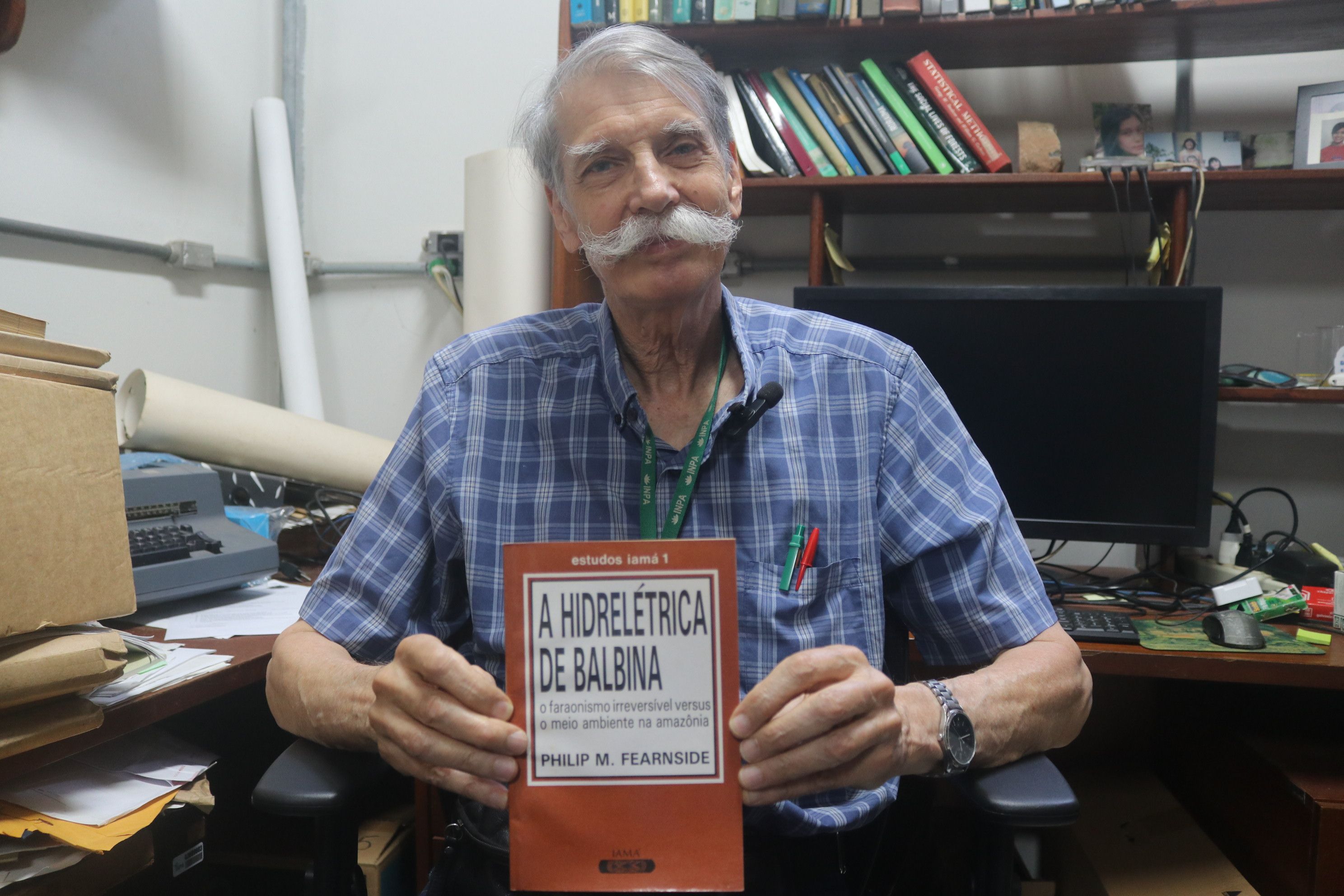
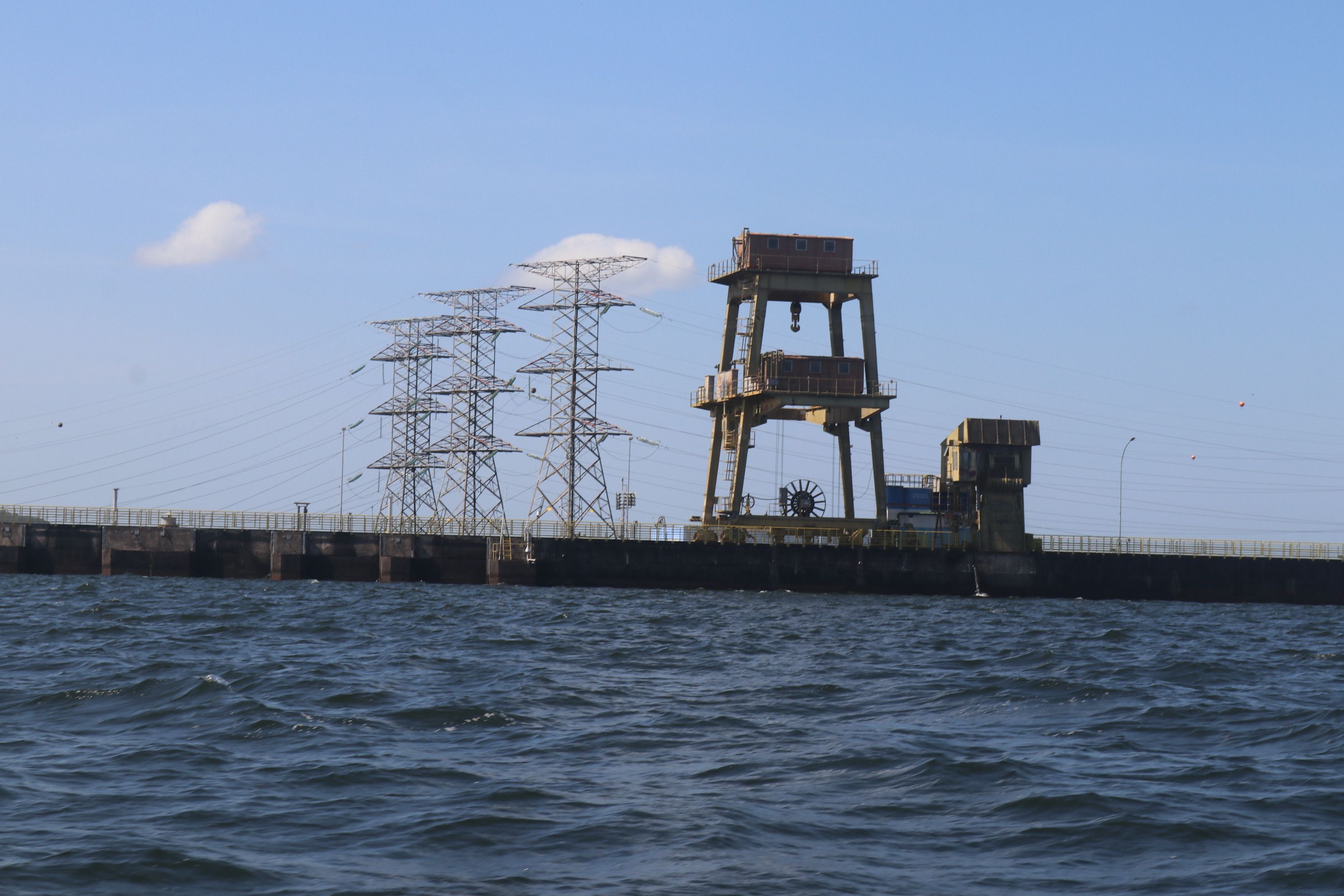
According to Fearnside, the area chosen to build the power plant was not appropriate for a hydroelectric enterprise. "It is a very flat area, and the water flow is small. So it generates little energy. The installed capacity is 250 megawatts, but only 120 megawatts are produced. What reaches Manaus is just 109, for a city that uses up to 1,800 megawatts. It is less than a tenth of the necessary energy. It was a massive impact for such an inefficient power plant," the scientist states.
In accordance with data gathered by the CVB's first report, the inefficiency of the power plant was known to both the military government and Centrais Elétricas do Norte do Brasil S/A (Eletronorte), now Axia Energia. However, other interests were at stake. "The first was the ideological interest of the military dictatorship, to occupy a supposed land without men, bringing progress and portraying itself as developmentalist to the Brazilian population. The second was economic: one billion dollars was invested in this construction. Information was available that it was wrong, that it wouldn't generate much energy, but even so, the government intended to build it," states Renan Albuquerque, a professor at Ufam and coordinator of the CVB.
More greenhouse gases than a thermoelectric plant
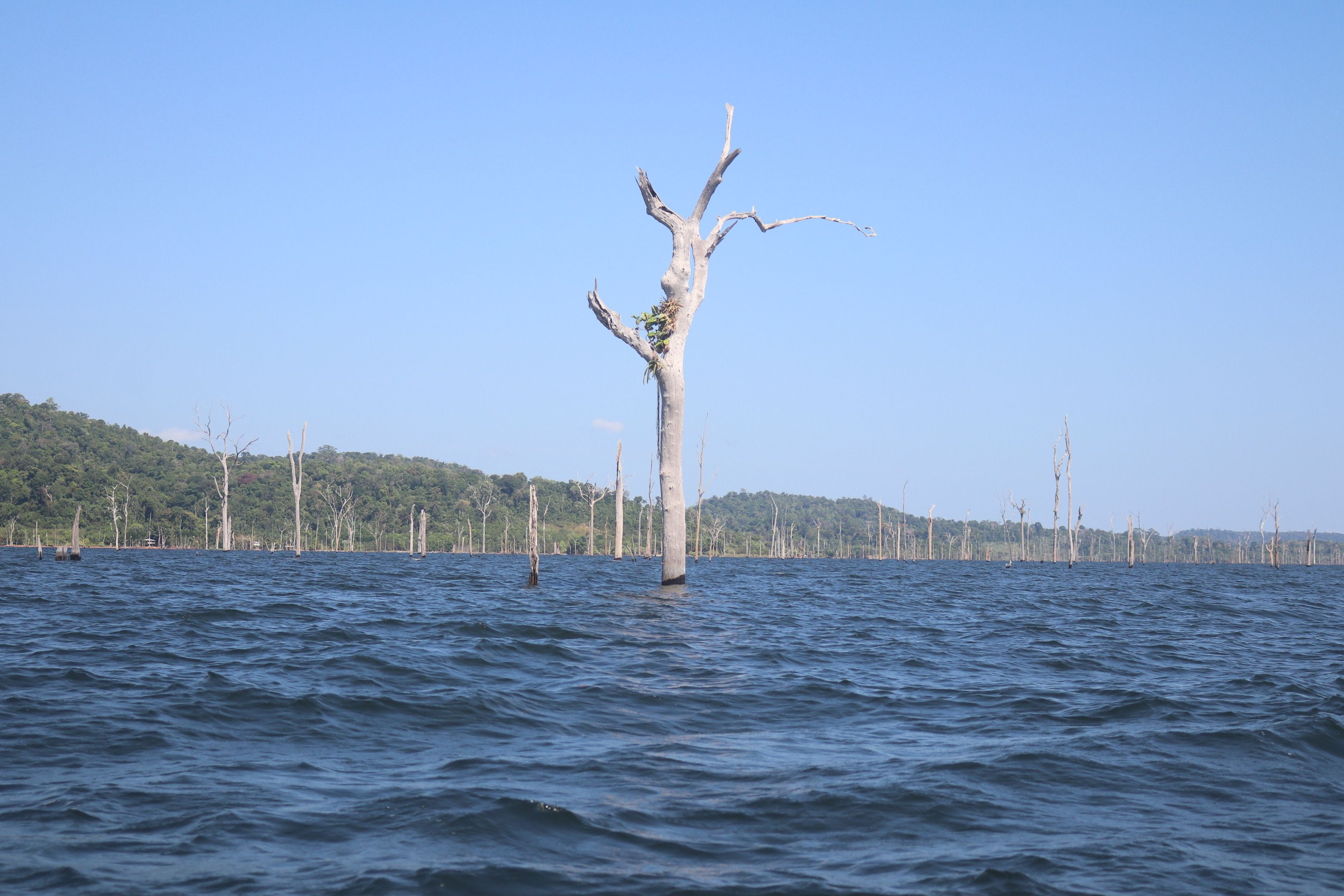
The environmental damage caused by the dam is felt to this day. A study conducted by Inpa shows that Balbina pollutes more than a thermoelectric power plant. The trees rotting underwater, the reservoir's so-called "toothpick forest" (paliteiro), consisting of dry branches emerging from the lake, produce not only carbon dioxide but also methane, which is stored in the deepest layers, expelled through bubbles or as water passes through the turbines, and released into the atmosphere. It is estimated that ten times more greenhouse gases are generated per megawatt produced than by a thermoelectric plant.
"It is worse than generating energy with fossil fuels. Methane has a massive impact on global warming, much greater than carbon dioxide. Over a 20-year timeframe, the impact of a ton of methane is 80,8 times greater than a ton of CO2," Fearnside points out.
In addition, the flooding caused and still causes what Inpa researchers have called the sandwich effect: the forest, which would be the "filling," is being degraded by two distinct pressures due to the flood pulse of the Uatumã River. The lower igapó areas, adapted to flood and dry cycles, became permanently flooded, preventing the trees from regenerating and forming the "toothpick forests" (paliteiros). Meanwhile, the higher areas became completely dry, which eliminated native species dependent on the water of the wet-dry cycle. The result was the loss of about 12% of the igapó forests within a radius of up to 125 km downstream from the dam.
Significant social impacts
In addition to nature, the population surrounding the power plant also suffered significant effects. The environmental alteration caused a reduction in fishing, hunting, the availability of fruits, and even vegetable gardens, dismantling productive areas or altering cultivation and distribution methods for produce, which generated food insecurity and a lack of income. Many inhabitants had to leave their places of belonging without adequate compensation. Farmers were left without land or legal security over the properties where they had lived for decades, as the entire territory became federal property. Around 3,000 traditional riverside dwellers (ribeirinhos) were affected and continue to suffer consequences to this day, such as the poor water quality in the Uatumã River.
Renan Albuquerque, coordinator of the CVB, researched the psychosocial impacts suffered by populations around the power plant during his doctorate. "Up to that point, only environmental impacts had been measured. In my thesis, I was able to measure the impacts that affected the mental health of these people. My work recommends actions such as strengthening productive arrangements to tackle food insecurity and generate income," explains the UFAM professor.

Researchers denounce ethnic slaughter
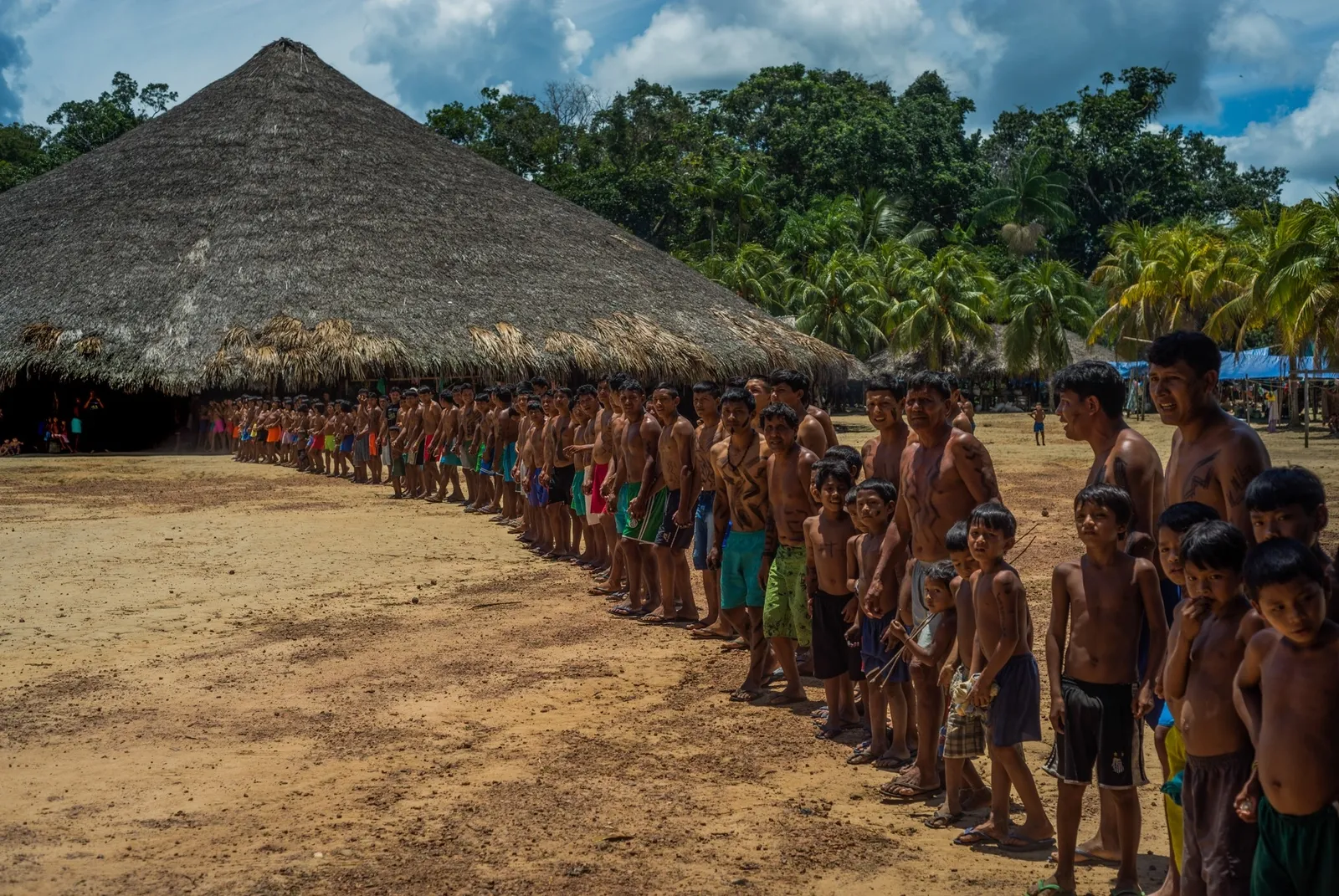
In addition to the riverside communities, the Waimiri-Atroari indigenous people were also severely affected by the project, having parts of their lands flooded, villages lost, and ways of life disrupted. Furthermore, researchers denounce an ethnic slaughter, involving torture, murders, and even the use of chemical weapons to expel indigenous peoples from the targeted areas. The incident led to complaints and trials against Brazil in international courts. The construction of the Balbina hydroelectric plant, along with the opening of the BR-174 highway connecting Manaus to Boa Vista (RR) and the Taboca mining project, were responsible for nearly decimating the ethnic group: in the early 1970s, there were about 3,000 individuals distributed across 60 communities; by 1986, there were only 332 survivors living in ten communities.
DEFENSE
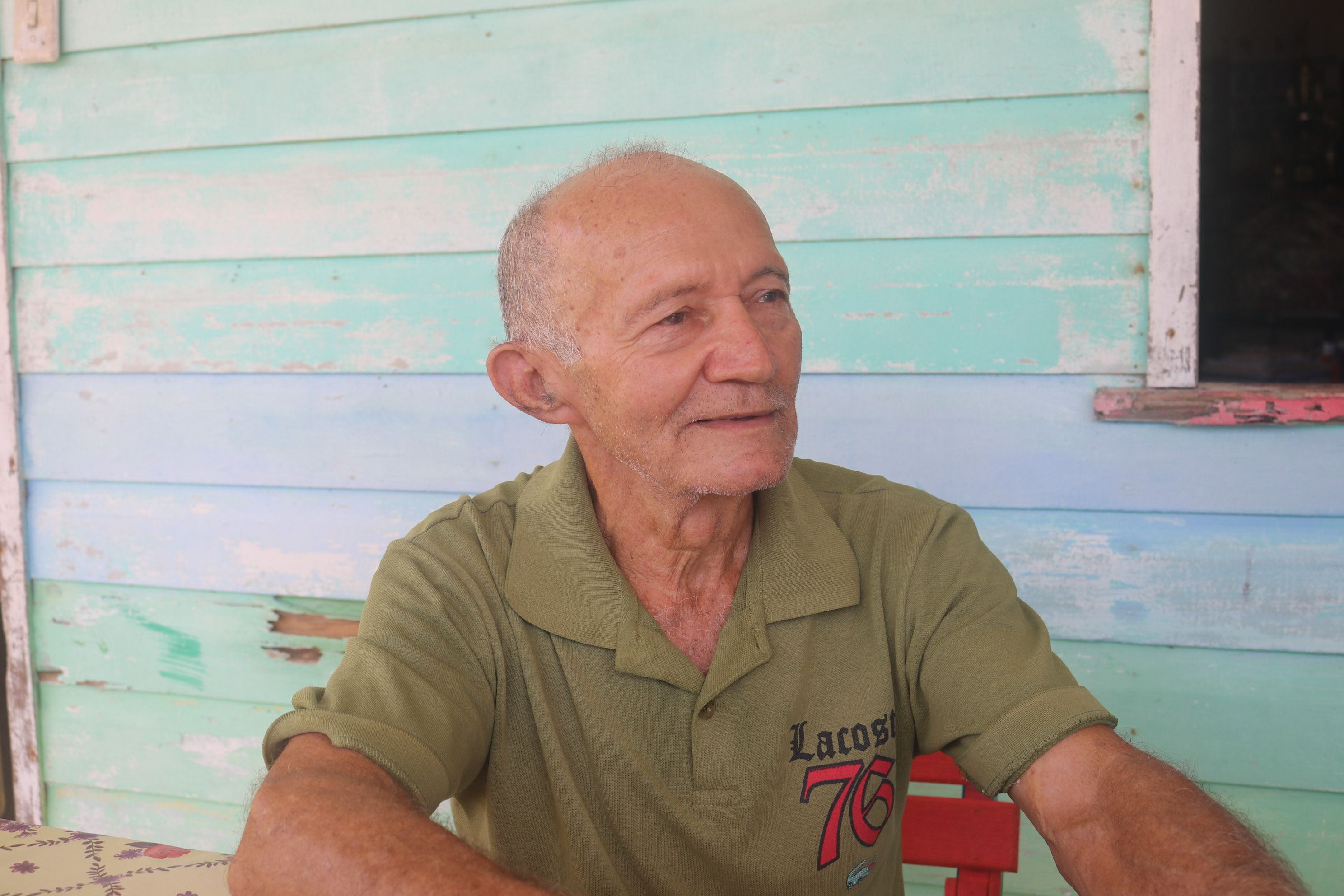
Despite all the criticisms, there are those who believe that the Balbina hydroelectric power plant brought more benefits than harm. This is the case of Sebastião Alencar, 77, better known as Tião Alencar, a resident of Vila de Balbina and a former two-term city councilman of Presidente Figueiredo. Alencar has lived in the region since 1956, long before the arrival of the plant.
"Logistical studies for the installation of the plant began in 1974, and from then on my family began to benefit because I started being hired to do transport with my boat. Then many opportunities came, job offers, medical and hospital assistance, easier access, because we were isolated from the rest of the state. But what impressed me positively didn't please others, such as environmentalists. I am aware that there was an environmental impact, but I think we had good counterparts. But I can't generalize, I know there are many people here in the village who don't agree with my view," he reports. To this day, the economy of Vila de Balbina revolves primarily around the jobs generated by Axia Energia and other companies that provide services to it.
Faced with the impacts, what should be done?
The CVB's first report suggests a series of remedial actions, involving territorial and productive reorganization and the guarantee of infrastructure for the surrounding population. Furthermore, the authors of the document state that they are considering formally requesting the scheduled decommissioning of the power plant and its replacement with other energy sources.
For Philip Fearnside, one of Brazil's leading experts on the Balbina case, the most important takeaway is the lesson that must be learned from the realization of the socio-environmental disaster caused. "The main point is to learn the lesson, because this is still happening today. There are major plans for more hydroelectric plants. It is generally said that Balbina happened because environmental licensing was not required during the military dictatorship. But the basics haven't changed. Perhaps there are some minor changes, conditions, but the basics about whether or not to build the project remain the same as they were: decided by a handful of people in Brasília," says the ecologist.
INSTITUTIONAL PARTNERSHIP
The production of Liberal Amazon is one of the initiatives of the Technical Cooperation Agreement between the Liberal Group and the Federal University of Pará. The articles involving research from UFPA are revised by professionals from the academy. The translation of the content is also provided by the agreement, through the research project ET-Multi: Translation Studies: multifaces and multisemiotics.