
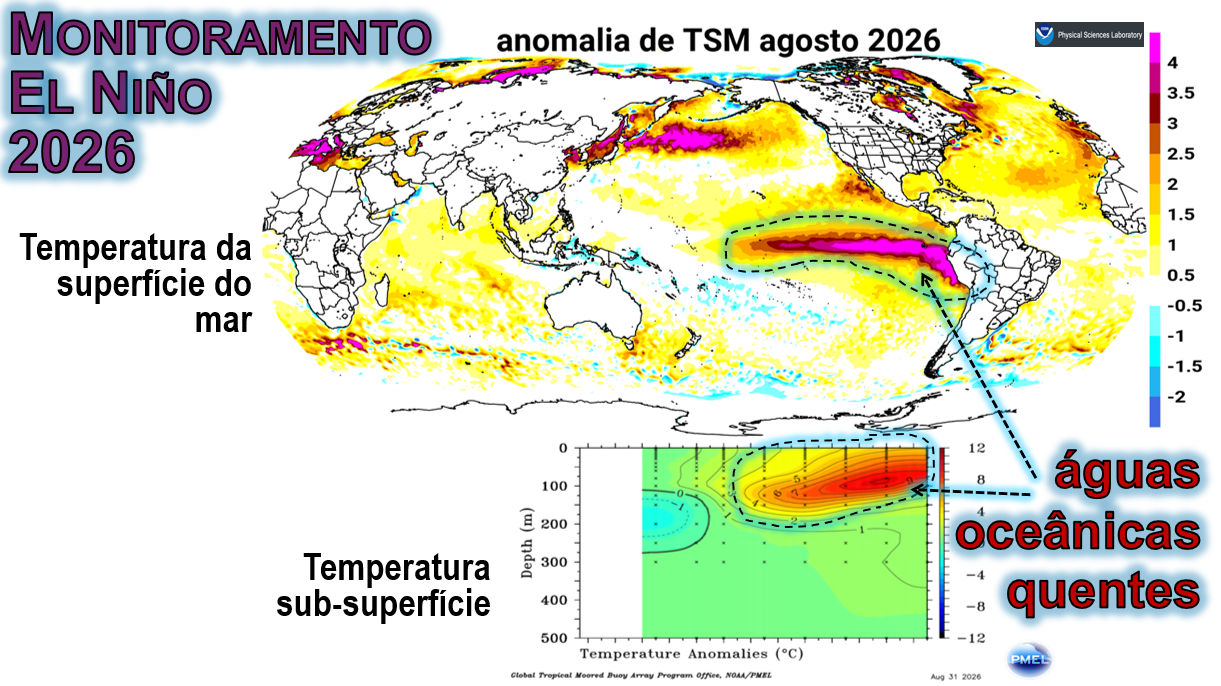
The most critical period of El Niño in 2026 could see its highest concentration in November, according to Professor Everaldo Barreiros de Souza, Ph.D., from the Faculty of Meteorology at the Federal University of Pará (UFPA), who monitors the phenomenon and its effects on the Amazon. The forecast raises an alert over the combination of intense heat, reduced rainfall, lower river levels, an increased risk of wildfires, and logistical hardships for the water and supply needs of riverside communities.
This situation is being monitored by researchers from various fields. Studies by the Monitoring of the Andes Amazon Program (MAAP), affiliated with the Amazon Conservation Association, indicate a strong link between the intensity of El Niño and the severity of the Amazon fire season the following year. According to researcher Matt Finer, the program's director, the region may be facing a new reality of risk, characterized by the combination of extreme weather events, climate change, deforestation, and wildfires.
Meanwhile, Professor Naziano Filizola from the Federal University of Amazonas (UFAM) highlights the need to analyze the Amazon as a single river basin. He points out that the effects recorded in the river headwaters can reach distant regions, crossing municipal, state, and national borders.
"El Niño is a natural variability phenomenon in the Pacific Ocean basin. There are years when the ocean is cooler than average, a situation associated with La Niña, and there are years when it is warmer, as occurs during El Niño," explains Professor Everaldo.
Why is it called El Niño?
The name originated among fishermen in Peru and Ecuador, countries located on the west coast of South America. They noticed that during certain times of the year, a current of warmer water reached the region right around Christmas, altering fishing conditions and the presence of marine species.
The association with the religious holiday led the fishermen to call the phenomenon "El Niño," a Spanish expression meaning "the boy" in reference to the Christ child. Over time, the term was adopted by the scientific community to describe the abnormal warming of surface waters in the Equatorial Pacific.
The explanation is simple, but the consequences are global. When the temperature of the Pacific Ocean changes, winds and atmospheric movements also shift, disrupting rainfall patterns in various parts of the world.
"The Pacific covers one-third of the globe. So, what happens there has global repercussions," Everaldo summarizes.
In the Amazon and the Brazilian Northeast, the warming of the Pacific can favor downward air currents. This circulation hinders cloud formation and reduces rainfall. In the South and Southeast of Brazil, however, the phenomenon is usually associated with increased precipitation.
In the Amazon region, less rain means lower river replenishment, prolonged droughts, and vegetation that is more susceptible to fire. The problem is compounded because the rivers are essential for transportation, food, water supply, and access to public services.
November at the center of concerns
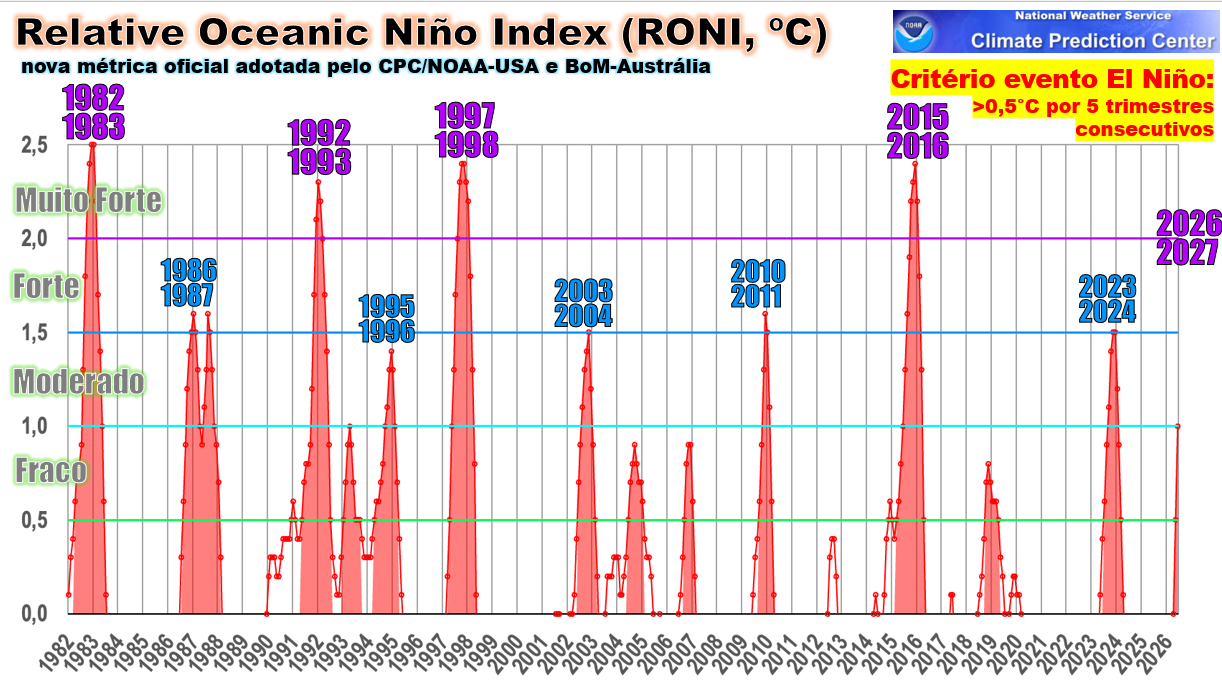
Professor Everaldo explains that El Niño's behavior has changed compared to the pattern observed in past decades. According to him, during events recorded in the 1980s and 1990s, the most severe impacts on the Amazon drought usually appeared late in the year and stretched into the first few months of the following year.
In recent events, however, the dry season has arrived earlier. Analyses cited by the researcher indicate that the area of the Amazon basin affected by the drought, previously estimated at between 25% and 30%, now exceeds half the region during certain episodes, reaching an average of nearly 60%.
"The major issue is that this impact is arriving earlier, in November," he states.
This projection places late spring at the center of concerns. If the phenomenon maintains its predicted intensity, the Amazon could face a combination of high temperatures, scarce rainfall, low soil moisture, and conditions highly conducive to the spread of wildfires.
The most vulnerable populations include riverside dwellers, Indigenous peoples, family farmers, and residents of traditional communities. These groups rely directly on the rivers, the forest, fishing, agriculture, and river transport.
"When the river is low, when the forest is dry, and when people cannot fish or plant, the impact on food security is tremendous and direct," Everaldo points out. The professor recalls that during the 2023 El Niño, several communities were isolated and struggled even to obtain drinking water.
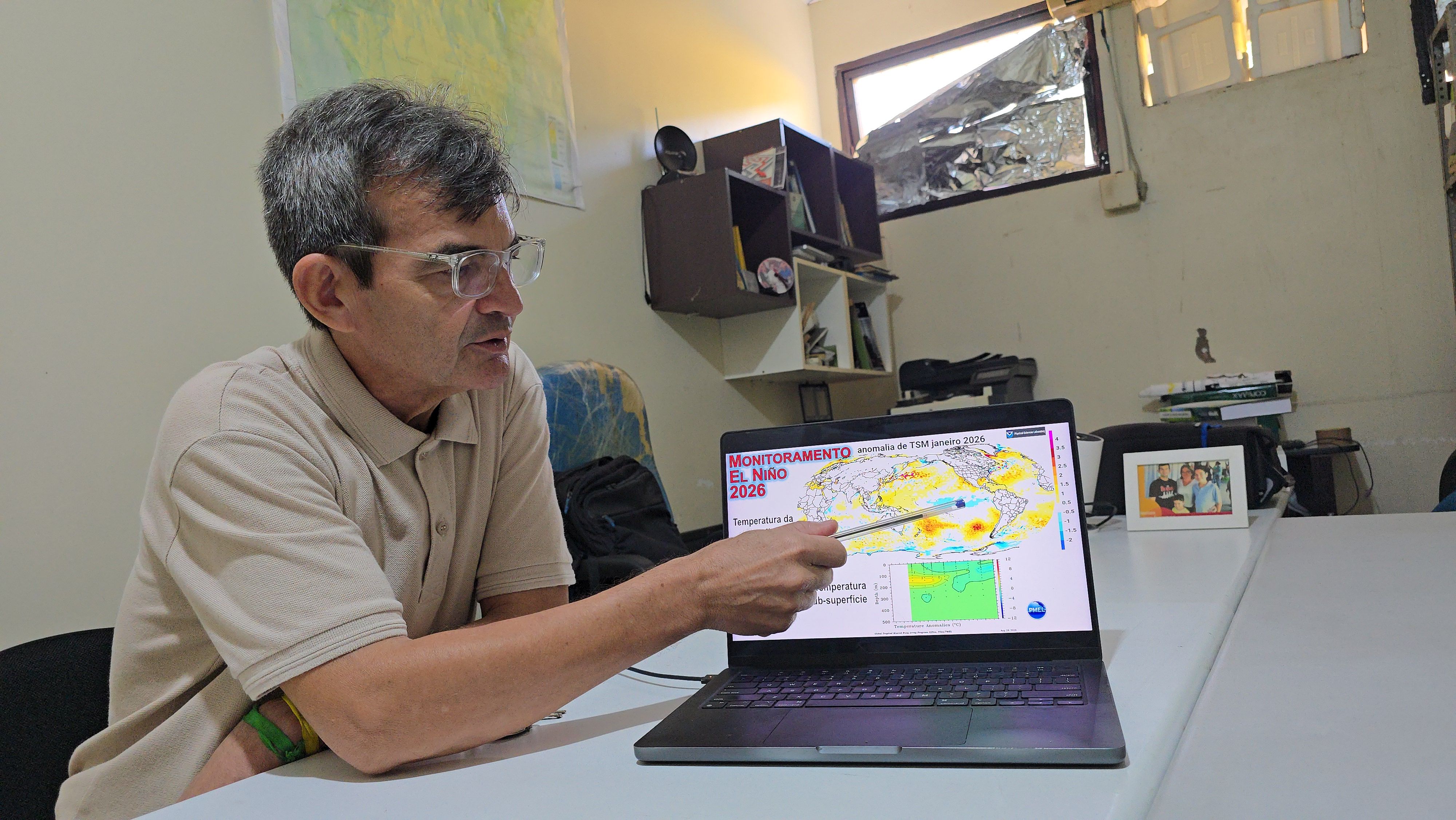
In his view, climate information must be used before an emergency takes hold. Advance preparation makes it possible to deploy teams, equipment, fuel, food, and drinking water to strategic locations.
"The crucial point is to use this information for decision-making, with planned and preemptive actions to protect the population and, at the very least, guarantee food security for Amazonian communities," he states.
Wildfires could emerge later
The MAAP analysis adds another layer of concern: the most severe impacts on wildfires could strike with greater force in the year following El Niño's peak.
According to Matt Finer, the phenomenon typically reaches its highest intensity between November and December. This timeframe coincides with the onset of the rainy season in parts of the Amazon. When El Niño disrupts moisture flows and interrupts the convection responsible for rainfall, it can prolong the dry season.
The result is lower soil moisture and a more vulnerable forest during the subsequent fire season.
"The analysis reveals a clear and strong positive relationship between the intensity of El Niño events and the severity of the following year's fire season," Finer explains. He cautions, however, that correlation alone does not prove causation.
The 2015–2016 and 2023–2024 events are cited as recent reference points. For the researcher, the key difference this time lies in the lead time available for preparation. Forecasts warning of a potentially strong El Niño in 2026 were released well in advance, allowing governments to plan preventive actions.
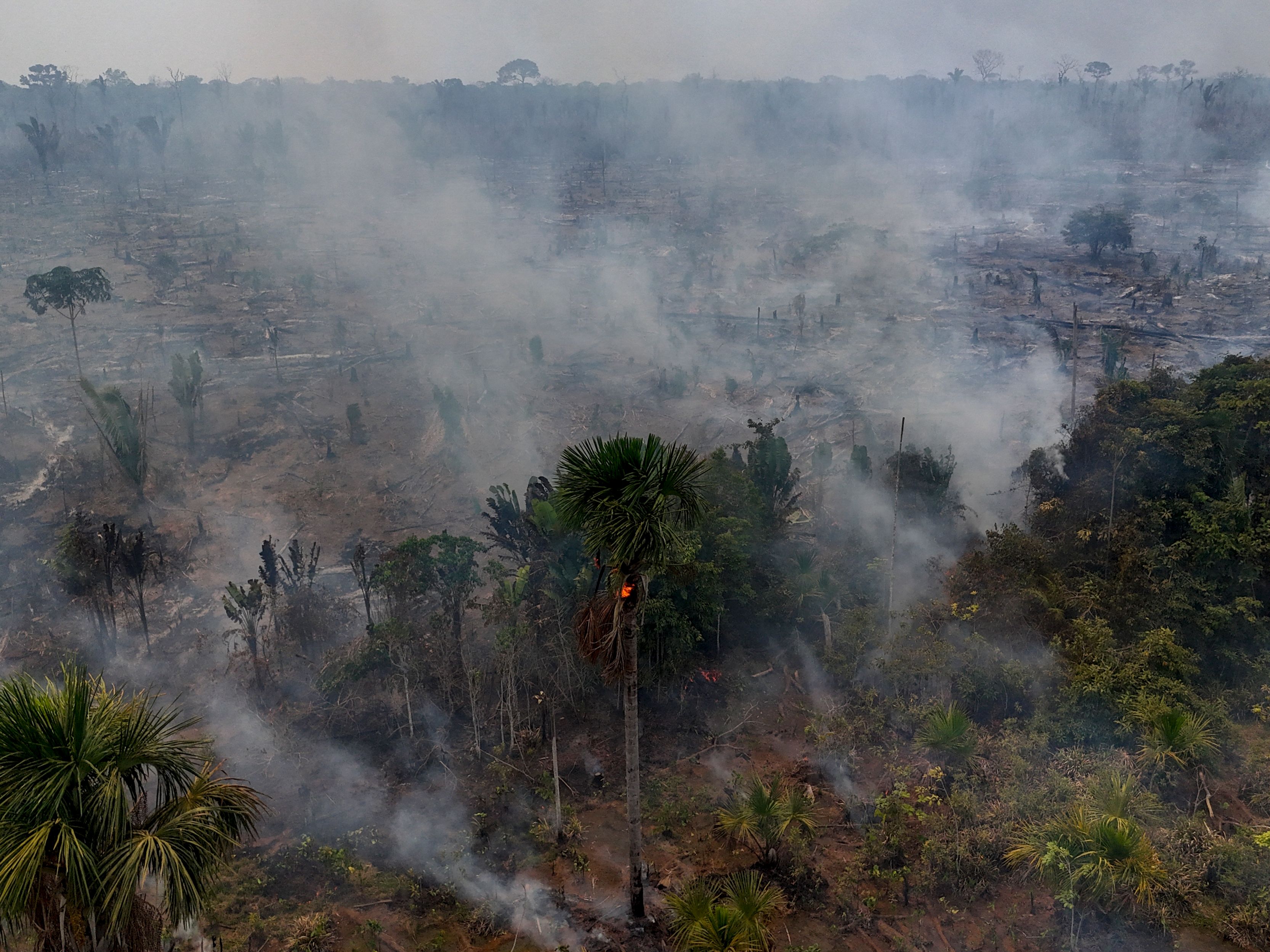
The risk, however, is not solely climate-driven. Deforestation and the use of fire to clear or prepare agricultural land increase the amount of combustible material available to fuel wildfires.
"The hotter and drier the conditions, the higher the likelihood that intentional agricultural fires will escape into surrounding forests and spiral into out-of-control wildfires," Finer states.
The primary countermeasure, he notes, is to curb deforestation as much as possible throughout 2026 and promote fire-free agricultural practices. Brazil, Bolivia, and Peru stand out as countries requiring special attention, as they historically account for the areas hardest hit by Amazon fires.
"The combination of periodic El Niño events and permanent climate change likely signals that the Amazon has entered a new reality of wildfire risk," he concludes.
A basin without borders
Professor Naziano Filizola has been monitoring Amazonian rivers for approximately three decades. As a specialist in fluvial geomorphology, he argues that the impacts of El Niño should be analyzed through the lens of the entire river basin, rather than restricted by the boundaries of individual municipalities, states, or countries.
"River basins do not respect administrative boundaries," he states. Everything that happens in the headwaters can reach the mouth, carried along by the river current. This includes water, sediments, nutrients, and materials resulting from erosion.
In practice, a drought that begins in one region can produce consequences in another, depending on the duration and intensity of the phenomenon. The dynamics also vary according to location. In the southern part of the basin, the flood season typically occurs between February and April. As one moves toward the center and the north, the peak water levels can shift to subsequent months, reaching the second half of the year in certain areas.
This variation means the effects are not simultaneous across the entire Amazon. However, if the dry period persists, the impact can spread.
Naziano cites the 1997–1998 El Niño as an example, when the drought dragged on until it reached Roraima and fueled massive wildfires. The current fear is that the persistence of the phenomenon into early 2027 will hinder river recovery during the period when water levels normally begin to rise.
"If it stays through the beginning of the year and hits during the period when river levels are rising, there is a strong tendency for nature not to replenish enough water for them to withstand a new drought," he explains. "It's like a domino effect," he adds.
Isolation and cascading effects
The drop in river levels directly affects communities located along the banks of major watercourses, as well as those situated near tributaries such as the Tefé, Purus, and Juruá rivers in Amazonas state.
In some locations, water depth can decrease to the point where it halts the navigation of vessels transporting food, fuel, medicine, and other essential goods. This isolation also hinders the transport of patients and access to public services.
Water quality is another major concern. When rivers drop too low, the water can become turbid and mixed with mud. Many communities rely on shallow wells, which do not always provide safe water for consumption. Without regular rainfall, the ability to harvest rainwater also diminishes.
The impacts reach the cities. In Manaus, for example, declining river levels can disrupt the arrival of large cargo vessels at the Industrial District. When the shallow draft of the rivers prevents ships from passing, the transport of goods becomes more expensive and time-consuming.
The impact can show up in food prices, supply chains, subsistence agriculture, and the movement of goods. Cassava crops and other cultivations are left exposed to water scarcity. On the health front, higher temperatures and disruptions in the hydrological cycle can also favor an increase in diseases.
Because El Niño is a natural phenomenon, it cannot be controlled. However, the damage can be mitigated. To achieve this, researchers advocate for continuous monitoring, combating deforestation, fire prevention, support for fire-free agriculture, and logistical preparation to assist communities before rivers reach critical levels.
In the Amazon, the warning does not reside solely in the distant ocean. It appears in the dry soil, the smoke spreading through the forest, the boat that fails to arrive, and the river that, little by little, loses its depth.
INSTITUTIONAL PARTNERSHIP
The production of Liberal Amazon is one of the initiatives of the Technical Cooperation Agreement between the Liberal Group and the Federal University of Pará. The articles involving research from UFPA are revised by professionals from the academy. The translation of the content is also provided by the agreement, through the research project ET-Multi: Translation Studies: multifaces and multisemiotics.


