When you think of insects, what immediately comes to mind? Something unpleasant or even dangerous to your health, right? Indeed, there are a variety of insects that can transmit diseases through their bites, contaminate food, cause allergic reactions, or even cause intense pain, in the case of venomous or poisonous ones. Furthermore, there are those that cause agricultural pests, leading to the loss of entire crops and prompting the use of pesticides that contaminate food and the environment.
However, insects that are harmful to humans are a tiny fraction compared to the enormous number that exist in the world. The class Insecta is the largest group of animals on the planet, fundamental to environmental balance and even to human life, since food production depends on pollinators, such as bees.
According to Dr. Raphael Ligeiro, a professor of Ecology at the Federal University of Pará (UFPA), there are approximately 2 million species already described by science, among all types of organisms. More than half, around 1.1 million, are insect species.
“In the Amazon, in general, we have about 300,000 described species. Of these, about 150,000 are insects. That is, of the 1.1 million in the world, 150,000 have been identified in the Amazon. However, both globally and in the Amazon, we estimate that we only know around 10 to 20% of the existing species. So, we imagine that the world may have up to 10 million insect species and the Amazon, about 1 million,” says the professor.
STUDIES
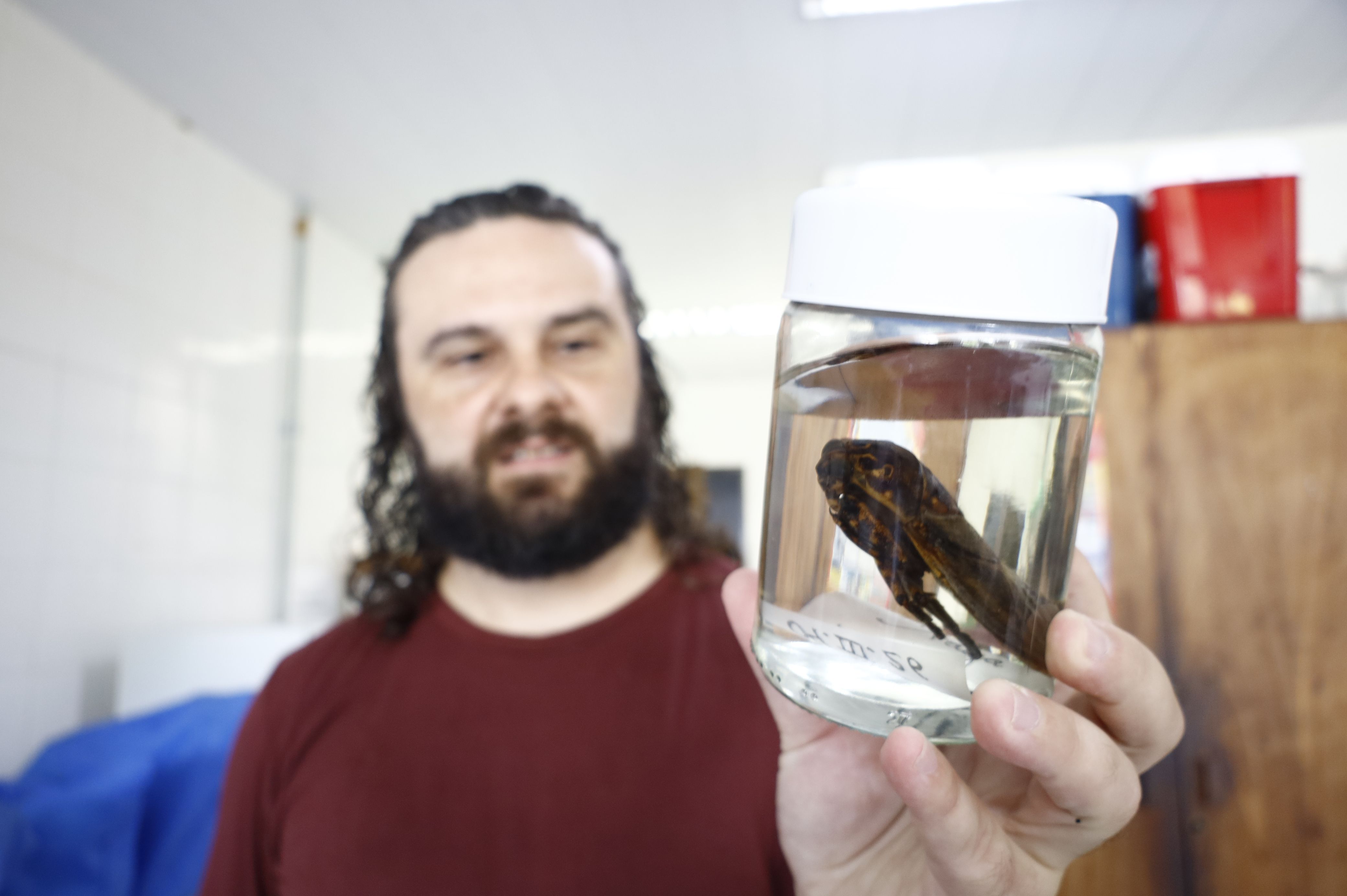
Given the variety of living beings in the Amazon, why specifically research insects, specializing in the field called entomology? José Albertino Rafael, entomologist and researcher at the National Institute of Amazonian Research ( INPA ), based in Manaus, explains their importance in the food chain.
“Insects appeared in the world before humans. They had a huge responsibility for the maintenance of balance in nature, which allowed the evolution of living beings over millions and millions of years. They play a fundamental role in the food chain, serving as food for larger organisms, and these larger organisms serve as food for others and others. Therefore, if you break a link within this chain, you will interfere at the top, where humans are. Insects are extremely important in the basal links, in the first links that feed the larger organisms,” he explains.
Furthermore, Rafael highlights the role of insects in nutrient recycling in nature. “When leaves fall from trees, they decompose to serve as nutrients for other organisms, mainly the plants that will give us fruit. So, insects play a fundamental role in breaking down these particles so they can be used by plants. And for plants to bear fruit, most of them need pollinators, which carry pollen from one flower to another for fertilization. This is also done by insects. It's a group of organisms that we have to respect. Often, we are annoyed by their presence, but they are fundamental to our life on Earth, for maintaining the balance in nature,” he emphasizes.
"If today we have a lush, tall Amazon rainforest teeming with life, it's thanks to the insects that make nutrients available for plants to grow. Without them, we wouldn't have the forest as it is," Ligeiro adds.
Global warming is a threat
A study published in the scientific journal Nature in March of this year indicates that up to half of the insects in the Amazon could disappear due to global warming. While some species may adapt to the heat, others will suffer thermal stress to the point of disappearing – including some that are not yet known to science.
Until now, it was believed that insects were able to adjust their thermal tolerance with relative ease, but the study, conducted with more than 2,000 species, suggests that the impact of heat on these animals may be much greater than previously thought, compromising their existence and the functions they perform in their respective ecosystems.
“With all this environmental destruction that is happening, it is very likely that we are losing species long before we even know them. I always say that it is not enough to simply describe a species. If we want to conserve it, we need to know its area of occurrence, how it lives, what it eats, what its micro-habitat is. That is what we study at the Ecology and Conservation Laboratory at UFPA: the ecological relationships between species,” explains Ligeiro, who researches Amazonian aquatic insects.
According to the biologist and researcher from UFPA, the scenario is worrying not only in the Amazon, but globally. “If you don't have enough bees in the environment, you may not have satisfactory harvests. In China, pollination is being done manually, by humans. In the Amazon, [the lack of pollination] would be equally catastrophic. Furthermore, warming can increase the metabolism of certain insect species, increasing the incidence of pests. It's an unfortunate possibility,” he laments.
ENVIRONMENTS
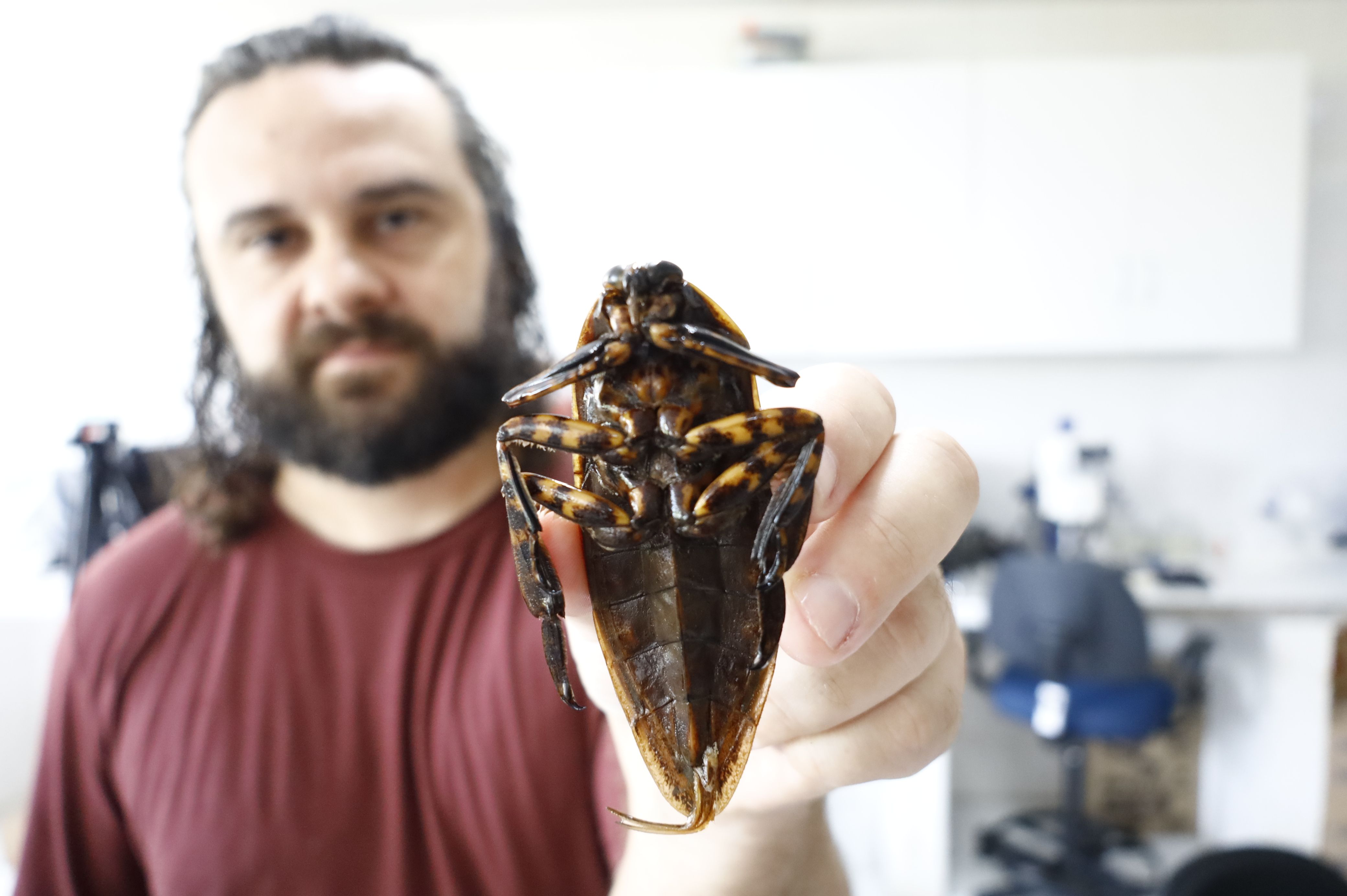
Amazonian insects inhabit a diverse range of environments, from water to the treetops. This variety is the result of millions of years of living on Earth. "Cockroaches have been on the planet for about 180 million years. They coexisted with dinosaurs, survived the catastrophe that wiped them out, and are still with us today. Throughout this time, insects have managed to dominate practically every environment you can imagine," says Ligeiro.
“There are insects in freshwater environments that inhabit caves where humans have never been. There are others underground: if you drill two meters below the surface, you will find them. There are those that live in the first layers of soil, where most of the organic matter is found. And there are those that inhabit different strata of vegetation, from undergrowth, intermediate strata, and those that only exist in the canopy, at the top of the tree crowns. Those that are below don't go up and vice versa,” explains the professor.
Various levels of vegetation are studied
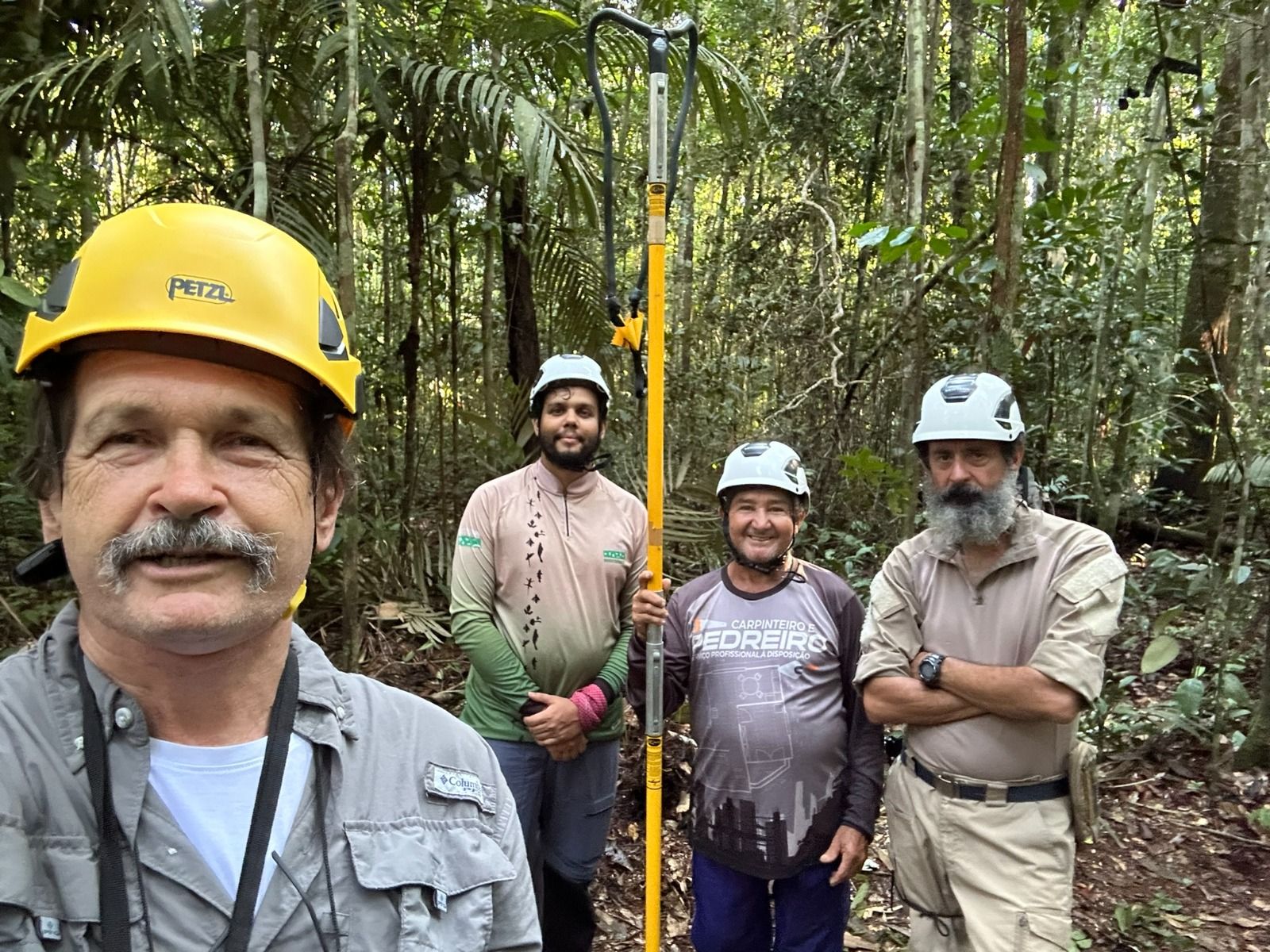
Specifically to study this diversity of insects present in the various layers of vegetation, the Biodossel project was created, carried out by INPA and coordinated by José Albertino Rafael, in partnership with the BioInsecta project, from the University of São Paulo (USP).
“There is an unknown world of insects that inhabits the tree canopy, an even greater richness than the fauna that inhabits the ground level, where humans can normally explore without major difficulties. Because there is this challenge of continuously accessing these upper strata, we still know little about these insects. That is why we developed Biodossel, which places traps at different heights from ground level: at seven, fourteen, twenty-one and twenty-eight meters, the latter being the average height of the canopy near Manaus, where we conducted the experiments, at three collection points,” describes Rafael.
The quantity of insects collected is enormous: 60,000 specimens every 15 days. “Only through DNA can we identify at least the genus and, when possible, the species, if known, and describe and name the unknown ones. We are beginning to have surprising, unprecedented results, from a fauna that never descends to the ground. It's a large amount of information on new species that will be described in the very near future,” the entomologist explains.
BIOINDICATORS
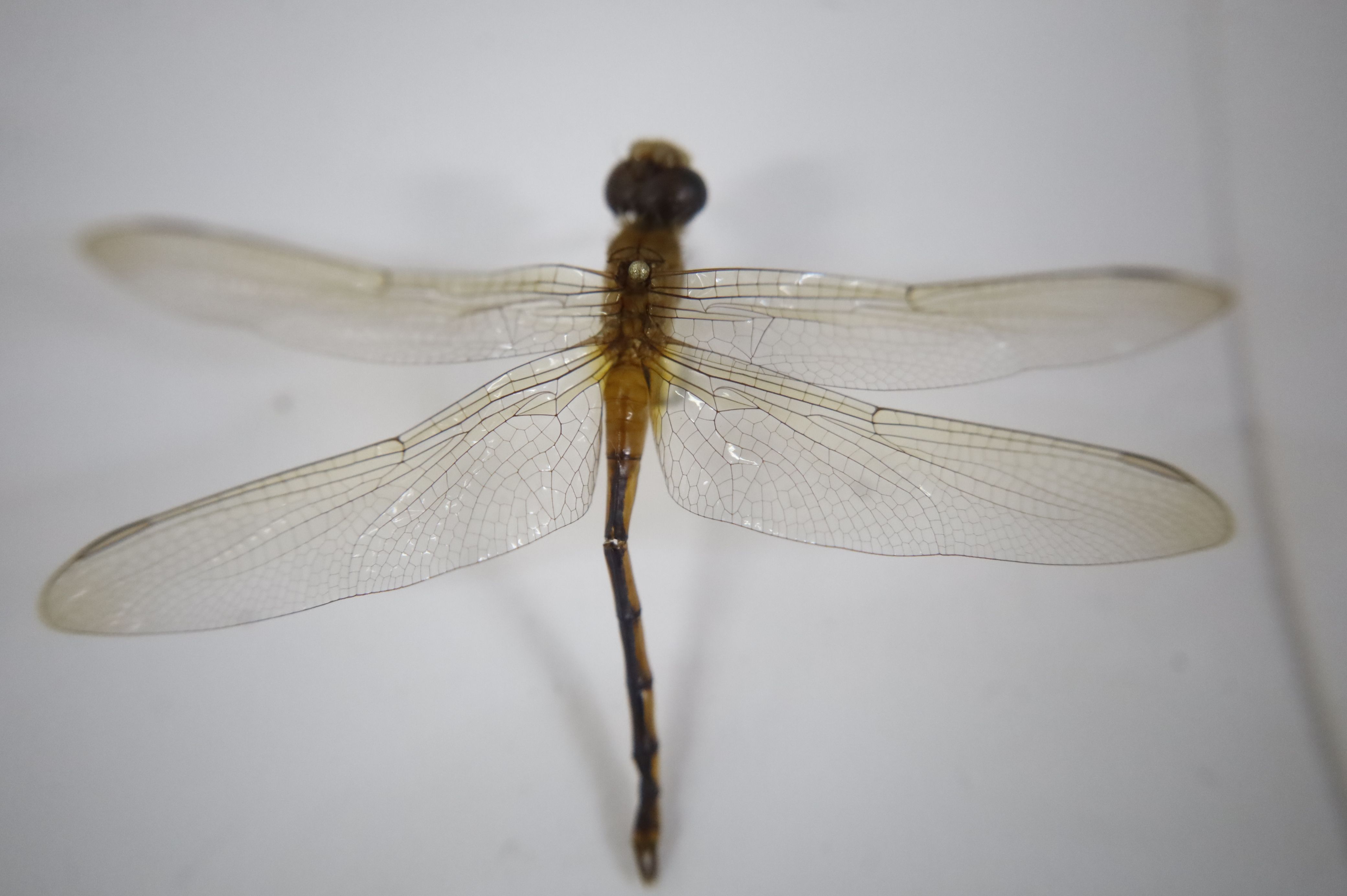
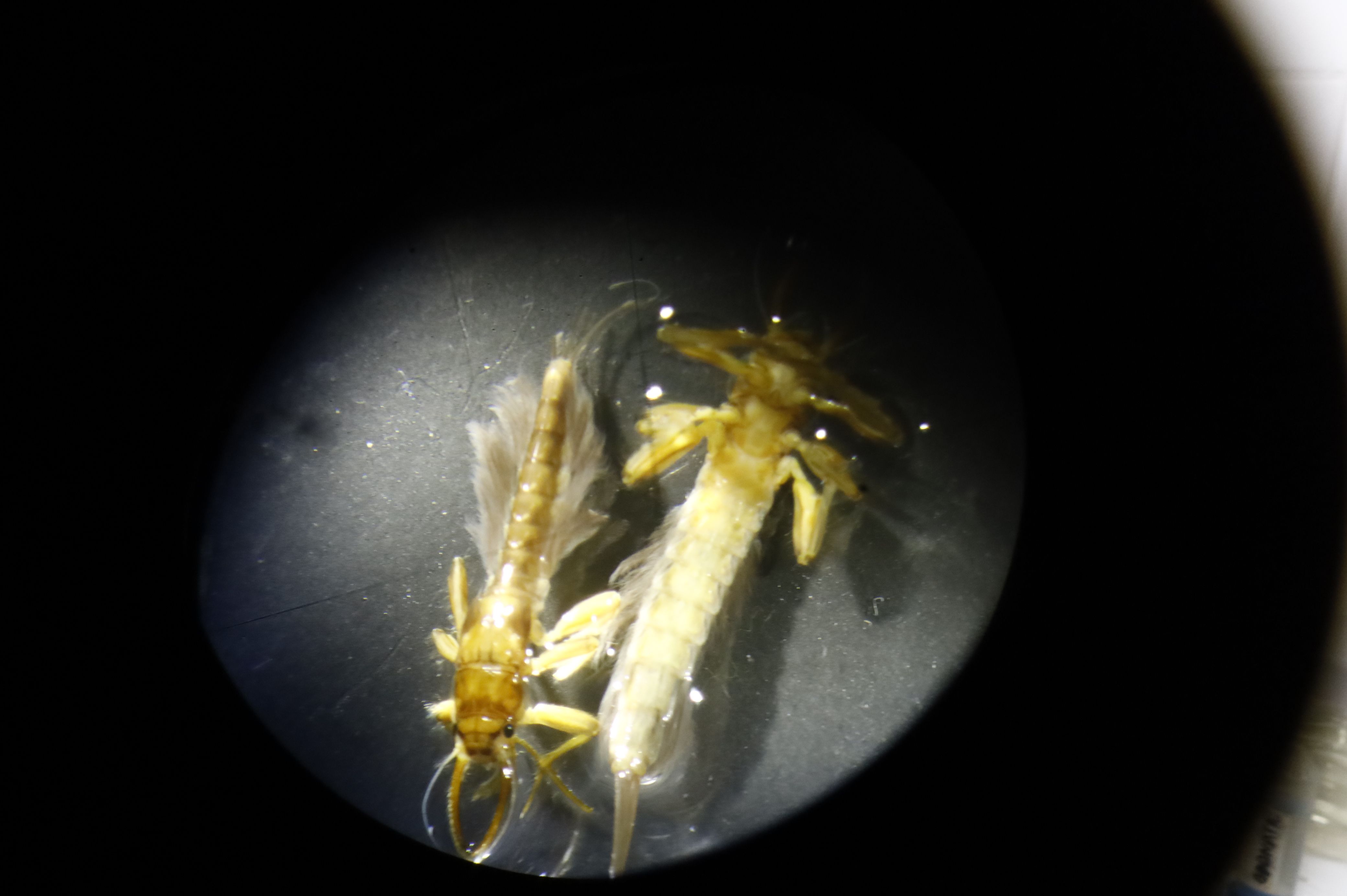
In addition to the ecosystem roles already mentioned, insects have another important function for humans: that of bioindicators, meaning they have the ability to show the environmental quality of a space.
“Within the great diversity of insects, some are more sensitive. So, when there is any alteration in water quality, for example, with more pesticides or sewage material, these species cannot resist, because they need clean water and a preserved environment. On the other hand, there are those that benefit from this impact, such as mosquito or fly larvae. When there is an increase in organic matter, they dominate, increasing dramatically in number. So, we use this type of observation as a tool to diagnose the ecological stage of that environment,” Ligeiro points out.
CHALLENGES
According to the professor from UFPA, one of the difficulties in studying insects, especially in the Amazon, is logistics. “Imagine having to climb 60 meters to collect insects in the canopy of giant trees, animals that are almost microscopic. Furthermore, in the Amazon, there are the vast distances. Going into the middle of the forest, far from any city, is very costly. There is a lack of resources, a lack of researchers.
Most insect studies in the region are done near large cities, roads, or rivers, where there is more access. These are limitations that prevent us from learning more about these animals,” says Ligeiro.
Rafael argues for greater investment in biodiversity research. “I often say that humans spend billions searching for life forms on other planets, but don't invest enough in understanding the organisms that have coexisted with them since they arrived on Earth”.
INSTITUTIONAL PARTNERSHIP
The production of Liberal Amazon is one of the initiatives of the Technical Cooperation Agreement between the Liberal Group and the Federal University of Pará. The articles involving research from UFPA are revised by professionals from the academy. The translation of the content is also provided by the agreement, through the research project ET-Multi: Translation Studies: multifaces and multisemiotics.