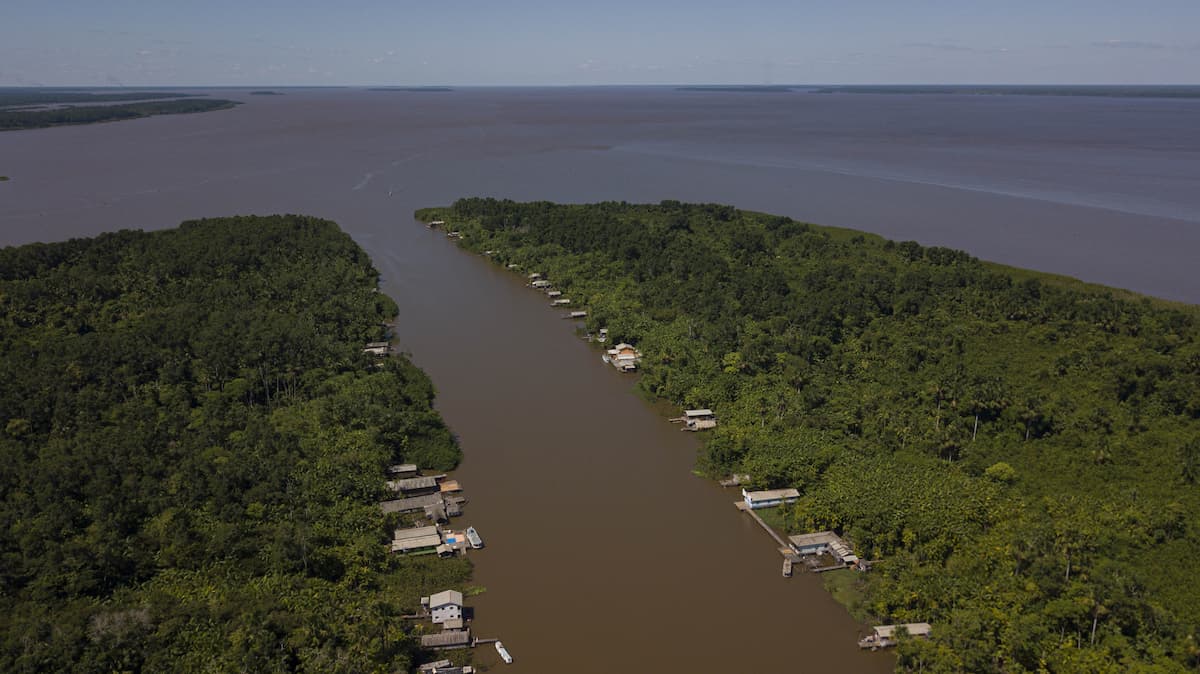
Imagine a river likely longer and carrying a greater volume of water than the Amazon River. Except you cannot see it with the naked eye: it is made entirely of vapor and flows through the atmosphere, rather than across the ground.
It is not exactly a river, but a phenomenon that has come to be known as the Amazon’s “flying rivers.” These are air masses laden with water vapor that, like waterways, move not only across the Amazon but also through other parts of Brazil and South America, and they are essential for climate regulation and rainfall patterns.
The flying rivers span thousands of kilometers, rising to altitudes of two to four kilometers, and are estimated to carry 200 million liters of water per second, a volume comparable to the discharge of the Amazon River. Without them, the reality of the South American subcontinent would be entirely different. All of this originates in the Amazon rainforest.
WATER CYCLE
The Amazon releases between 15 and 20 billion tonnes of water into the atmosphere each day. This occurs through evapotranspiration: the evaporation of water from the soil and the transpiration of trees through their leaves. This phenomenon is part of the hydrological cycle, the continuous circulation of water on the planet.
Glauber Cirino, a meteorologist and professor at the Federal University of Pará (UFPA), explains that it is a global cycle. “Over the oceans, rainfall is recycled within the ocean itself. But part of that water vapor over the oceans is also swept inland, where it meets the water vapor transpired by the forest. Each medium-sized Amazonian tree can release between 500 and 1,000 liters of water into the atmosphere per day, which is equivalent to a household water tank. Forest transpiration is essential for the hydrological cycle”, explains the researcher, who holds a PhD in Climate and Environment.
A LONG JOURNEY
According to the researcher, 50% of this volume of water vapor is recycled by the forest itself through rainfall in the Amazon region. “The rest is transported by circulation through a phenomenon known as low-level jets, which transfer this vapor to other regions and can travel thousands of kilometers”, Cirino explains.
It works like this: moisture from the ocean is carried by the trade winds, which blow from the tropics toward the Equator, from east to west. When the air reaches the forest, it becomes even more humid through evapotranspiration, and part of it precipitates there. Another portion continues westward until it reaches the Andes Mountain Range, where new rainfall forms. Blocked by the mountains, the remaining water vapor is deflected southward, potentially reaching Brazil’s Central-West, Southeast, and South regions, as well as other countries such as Bolivia, Paraguay, and Argentina. “This ensures rainfall for these other areas. In other words, part of the rainfall in other regions of Brazil depends on the transpiration of the Amazon rainforest”, Cirino emphasizes.
Biotic moisture pump
One theory, which has been studied for about 20 years, suggests that the Amazon rainforest plays an even greater role in the formation of the flying rivers. Known as the Biotic moisture pump, it was developed by the Russian scientists Anastassia Makarieva and Victor Gorshkov. In Brazil, its leading proponent is the climatologist Antônio Donato Nobre, who was a researcher at the National Institute for Amazonian Research (INPA) for more than 30 years.

According to the theory, the forest acts as a pump capable of drawing in water vapor from the oceans. “There is still some debate about this, but the idea is that forests create a kind of suction effect. They induce pressure gradients and drive the movement of air masses from the ocean toward the continent. Of course, this convergence of humidity over the continent does not depend exclusively on the forest, but without it, it would occur in much smaller amounts”, says Glauber Cirino.
According to the researcher, these movements are driven by pressure differences. “The large volume of water vapor over the vast Amazon region induces a pressure gradient that accelerates air masses from the ocean toward the continent”, he explains.
From the Guamá campus of the Federal University of Pará (UFPA), on the banks of the river of the same name, the meteorologist illustrates the phenomenon. “Here we have visual evidence of this theory. From the campus, we can see that there are no clouds above the Guamá River, but they are all concentrated over Combu Island, across the river, where there is forest”, he points out.
Invisible, yet essential
Without these gigantic invisible rivers, Brazil’s regions, and even other parts of South America, would be very different. The flying rivers are essential to sustaining diverse ecosystems across the South American subcontinent.
At the latitude where Brazil’s southern region is located, for example, the natural tendency would be for deserts to form due to dry air masses. However, because of the flying rivers, the region is more humid and biodiverse than other areas at the same latitude on different continents.
In addition to the southern region, the flying rivers also influence rainfall patterns in Brazil’s Central-West and Southeast regions, with diverse effects, including replenishing local river basins, maintaining soil humidity, supporting agricultural productivity, and ensuring water availability for human and animal use.
“Part of the rainfall in these regions depends on the forest’s transpiration, ensuring not only climate regulation but also food security, energy security, and the replenishment of water reservoirs in densely populated areas of the Southeast”, Cirino lists.
National and global security
According to the researcher, preserving the Amazon rainforest and, consequently, flying rivers, is a matter of national security. “Forests are not only important from the standpoint of biodiversity conservation. They are essential to the country’s economy, the viability of agriculture, food security, and water supply in many parts of Brazil,”, he says.
“It affects the hydrological cycle and is important for maintaining the local and regional climate in South America. However, there are also global interconnections. Although the phenomenon of flying rivers is continental in scale, it is linked to global processes. The Amazon is the largest continental source of moisture on the planet and significantly influences atmospheric circulation on a global scale. Therefore, indirectly, we can say that it makes an important contribution to maintaining the global climate,” states Glauber Cirino.
Human activities have an impact
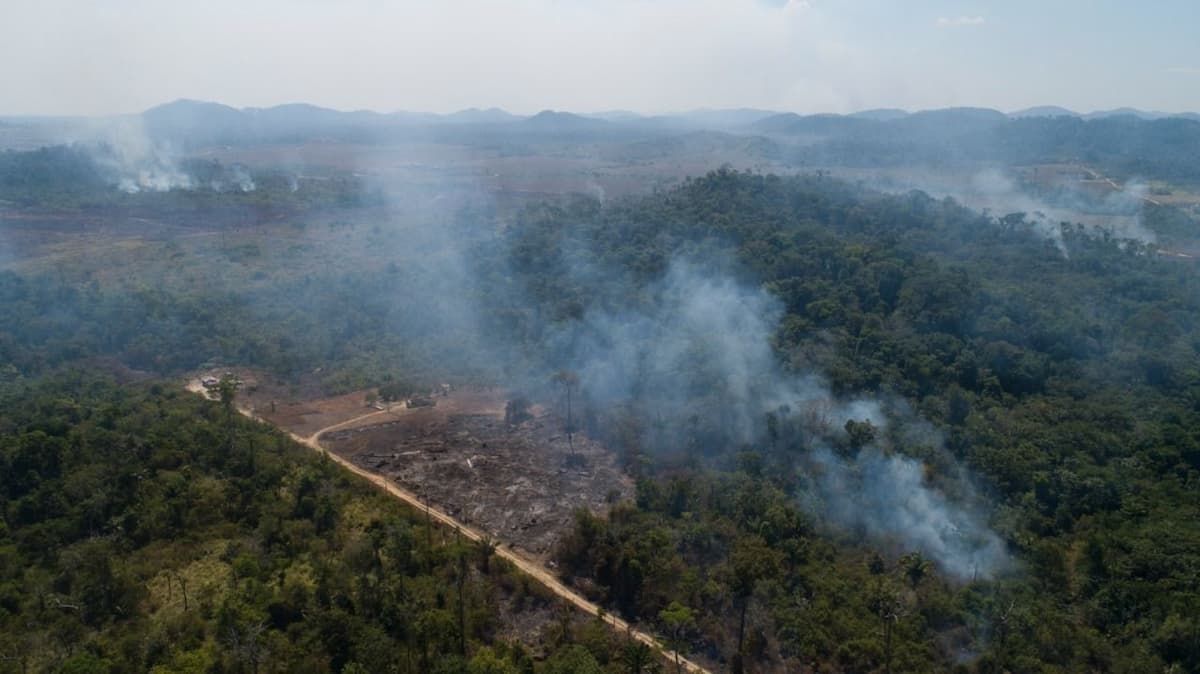
The flying rivers are an old phenomenon that have been functioning as a balance. However, human activities that impact the environment have been affecting the ecosystem services provided by the Amazon rainforest.
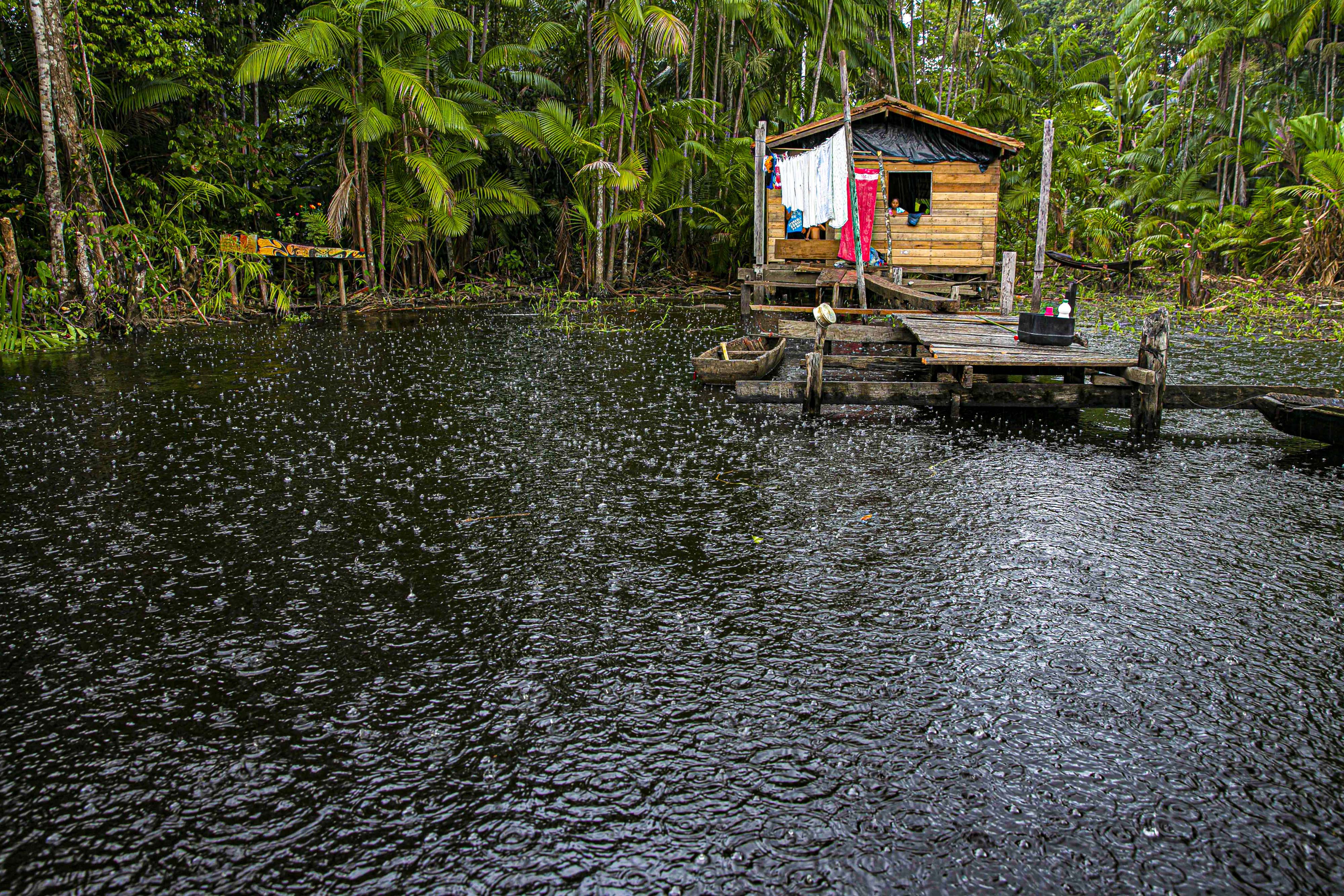
“Some studies by the Intergovernmental Panel on Climate Change of the United Nations (UN) show that under climate extremes, forests have a reduced capacity to pump water into the atmosphere. This affects the sustainability of traditional peoples, who have relied on forest resources for thousands of years, coexisting with them. These communities lose the necessary support for their way of living and are impacted by climate change despite having little contribution to causing it”, the meteorologist laments.
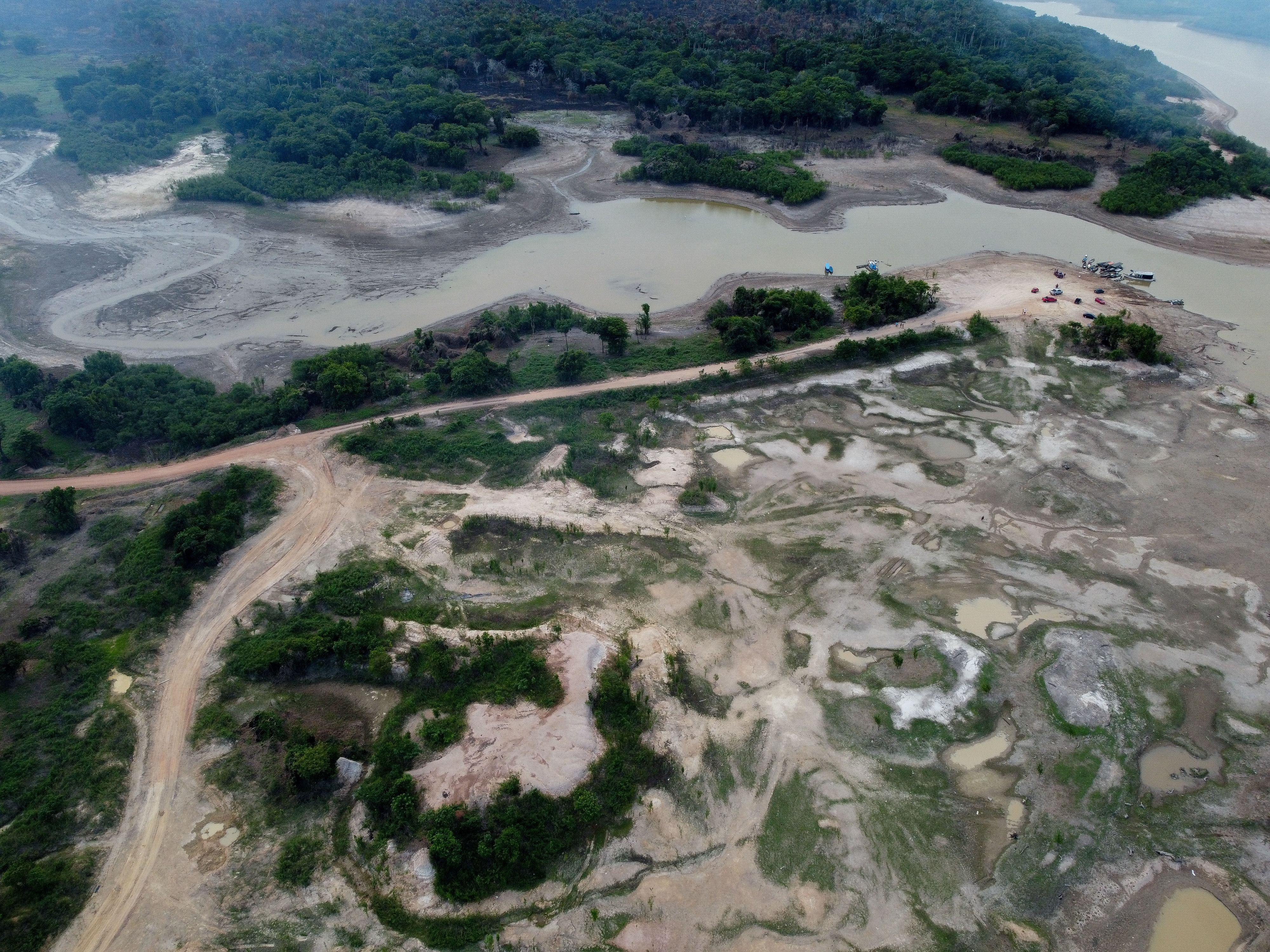
In addition, changes in the flying rivers’ patterns due to climate extremes could trigger crises across the continent. “There are three major crises. First, a water crisis. In recent years, for example, the southeastern region of Brazil has faced water shortages in some reservoirs, which have reached dangerously low levels. Many of these reservoirs are replenished because of the flying rivers. Second, a crisis in food production, since agriculture depends on stable rainfall patterns. And third, an energy crisis, because hydroelectric power plants in the Amazon would be at risk, as they fundamentally depend on stable rainfall, which in turn depends on the circulation of flying rivers”, Cirino says.
According to the researcher, this would affect multiple sectors. “One thing leads to another. If the energy matrix is compromised, it triggers a cascade effect. Scientists have insisted that, beyond its environmental importance, preserving the forest is also an economic issue. Only by keeping the forest standing will we continue to benefit from its flying rivers,” the researcher concludes.
INSTITUTIONAL PARTNERSHIP
The production of Liberal Amazon is one of the initiatives of the Technical Cooperation Agreement between the Liberal Group and the Federal University of Pará. The articles involving research from UFPA are revised by professionals from the academy. The translation of the content is also provided by the agreement, through the research project ET-Multi: Translation Studies: multifaces and multisemiotics.