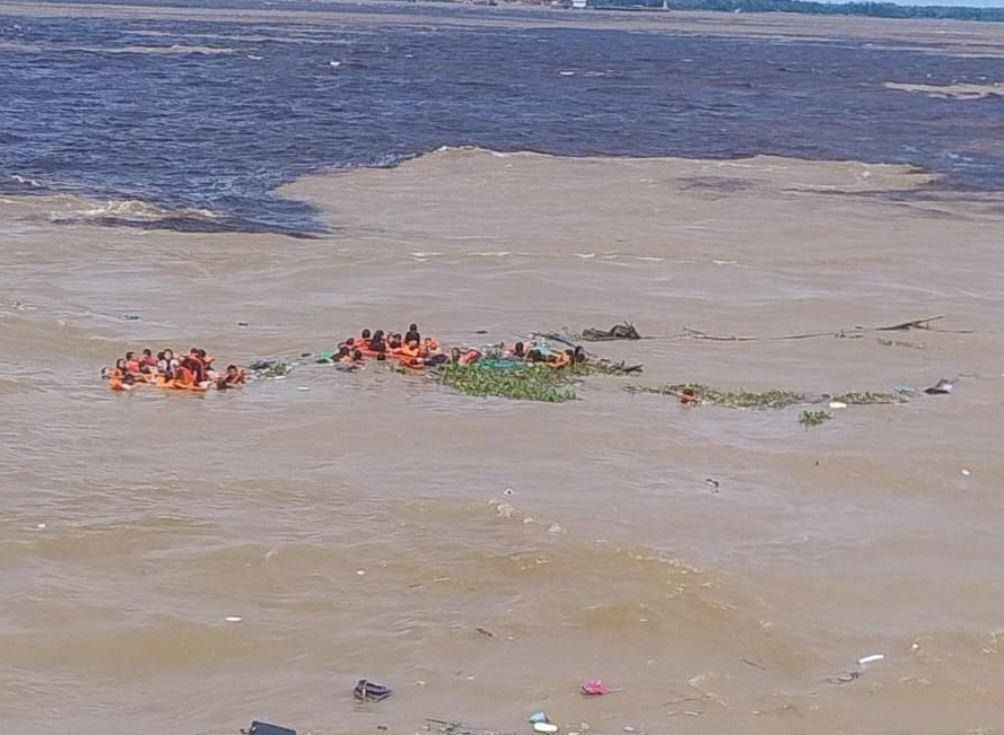
On April 24, the Amazonas State Court formally charged the boat captain Pedro José da Silva Gama, who was piloting the speedboat Lima de Abreu XV, which sank at the confluence of Rio Negro and Rio Solimões in Manaus in February this year. The accident resulted in three fatalities, and five people remain missing.
According to the Amazonas State Prosecutor’s Office, the pilot acted with dolus eventualis, assuming the risk of causing the accident, as he allegedly operated the speedboat at high speed despite the “banzeiro,” a regional term for rough, choppy waters. The situation was further aggravated by the fact that the boat did not have sufficient life jackets on board.
Shortly after the speedboat sinking, Lane de Souza, one of the survivors, described the moments of anguish she experienced during a group interview to the media: “Everyone was trying to save themselves, but couldn’t, because there was no support and the waves were very high. It was desperate. I had a little dog and left her behind to save my nephew. A woman in front of us died. The skipper was going too fast, racing another speedboat. A woman at the back asked him to slow down. This was not supposed to happen.”
TRAGEDIES
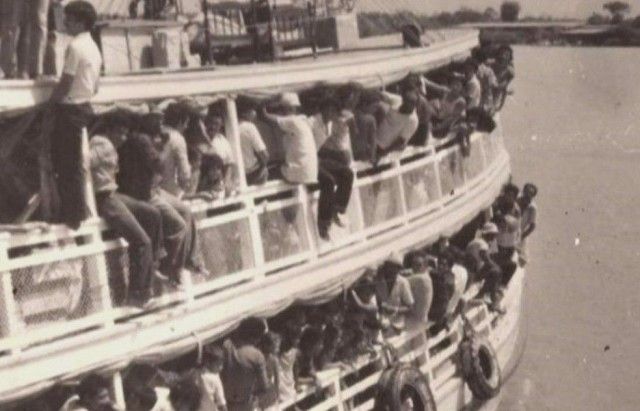
The accident involving the speedboat Lima de Abreu XV was not an isolated case. The Amazon region has na extensive record of wrecks, with and without fatalities. The two deadliest wrecks ever recorded in the country occurred in the region: the sinking of the vessel Novo Amapá, which went down near Almeirim, in western Pará, in January 1981, killing more than 400 people; and the ship Sobral Santos II, which sank in the municipality of Óbidos, also in western Pará, leaving around 340 people dead in September of the same year.
The three tragedies reported share a common factor: negligence. In the case of the speedboat Lima de Abreu XV, it was the captain’s improper conduct while navigating under adverse conditions. In the 1980s, the cause was passengers and cargo overload. The Novo Amapá had capacity for 150 passengers but was carrying more than 600 people, in addition to a ton of cargo. The Sobral Santos II was also operating above weight limit. As a result, during disembarkation, the ropes securing the vessel snapped, causing it to tilt; with the movement of people and cargo, it became unstable and eventually sank.
“The Amazon navigates for survival”
In the Amazon, home to the world’s largest river basin, rivers function like streets, routes for transportation. Many communities are accessible only by water. That is why navigation is so frequent and so essential to the region.
According to Suanne Santos, a civil engineer specializing in waterway transportation and a Professor at the Universidade Federal do Sul e Sudeste do Pará (Unifesspa), waterway transport is the region’s primary mode of transportation. “In this context, it plays a significant role in local, regional, national, and export-oriented economic development. At the local and regional levels, it is through these rivers that communities products from family farming reach market and population travels in search of healthcare and education. Concerning exports, it is also via this mode that soybeans, a product increasingly cultivated in the region, is transported” the Engineer explains.
“The river becomes a logistics protagonist of paramount importance. The Amazon navigates not only for leisure, but for survival and economy reasons. A wreck impacts socially, involving life loss, and it also generates economic consequences,” the Professor adds.
RISKS
According to Suanne Santos, accidents such as the sinking of the Lima Abreu XV speedboat show that problems related to waterway transport persist in the region and are linked to both structural and human failures. The professor points out that a study conducted by the Universidade de São Paulo (USP) found that 61.7% of accidents in the Amazon are caused by human error, while 18% of the causes remain undetermined. “This is concerning, because when it is not clear what kind of factor led to a given accident, it becomes much more difficult to plan actions aimed at mitigating this lack of safety,” she emphasizes.
According to the specialist, there are environmental factors that contribute to accidents, such as drag currents, differences in density from one river to another, and the formation of sandbanks, in addition to meteorological factors. “Severe drought, like that of 2024, alters riverbeds and creates sandbanks. Submerged logs begin to surface because they were not previously mapped, and all of this can lead to very serious accidents,” she notes.
But the human factor remains predominant. “Given the complexity of the region, there is a lack of knowledge of the area, as well as the inexperience of skippers and captains, or even the lack of proper technical training for these operators. In addition, there is recklessness and negligence, such as overloading with cargo or passengers, and all of this increases the likelihood of serious accidents with fatalities. The lack of lifesaving equipment, such as lifeboats and life jackets, also makes rescue efforts more difficult in the event of an accident,” she emphasizes.
Investing in prevention is essential
According to Suanne Santos, prevention is crucial. “There must be stricter enforcement at ports, especially illegal ones, along with more effective and intensive education efforts, particularly within local communities. This challenge is intensified by a severe shortage of Navy personnel, along with the limited availability of equipment needed to ensure proper enforcement. It is also necessary to invest in technology, such as the use of sonar or satellite monitoring, to identify potential submerged hazards in real time, enabling rapid and effective action, enhancing safety, and reducing the likelihood of accidents,” the engineer emphasizes.
It was precisely the lack of prevention, both on the part of the competent authorities and the vessel’s captain that led to the sinking of the Dona Lourdes II in September 2022, near Cotijuba Island, in the insular region of Belém. The accident claimed 23 lives. The speedboat was not authorized to operate and had departed from an illegal port in Cachoeira do Arari, on Marajó Island. In addition, survivors report that, on the day of the accident, the current was extremely strong and that Captain Marcos Oliveira allegedly followed a route filled with rocks, which is not typically used by passenger vessels. As in the case of the Lima de Abreu XV, Oliveira has been charged with multiple counts of qualified homicide with eventual intent and is awaiting trial.
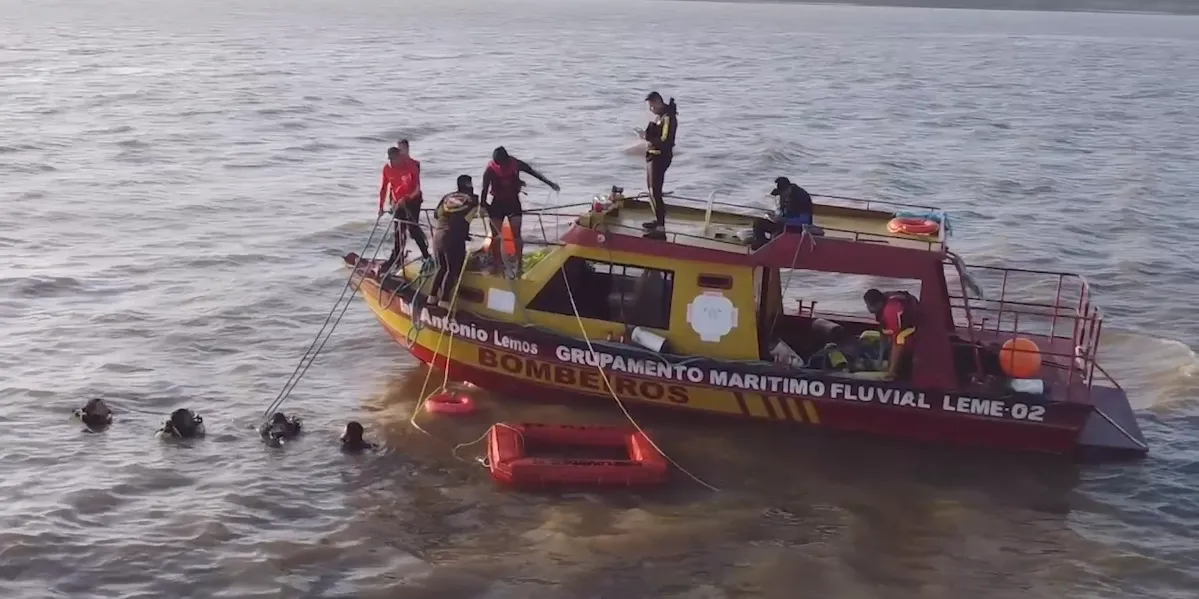
Harbor Master's Office record 96 sinkings between 2020 and 2026
In the Amazon region, the Navy operates two Harbor masters’ Offices responsible for ensuring safety and discipline in the waters under their jurisdiction: the Capitania dos Portos da Amazônia Oriental - CPAOR [Eastern Amazon Harbor master’s Office] and the Capitania Fluvial da Amazônia Ocidental - CFAOC [Western Amazon Riverine Harbormaster’s Office]. The former covers waterways that run through the states of Pará, Amapá, Maranhão, Mato Grosso, and Tocantins, while the latter encompasses the states of Acre, Amazonas, Rondônia, and Roraima.
According to figures from the CPaor, between 2020 and 2025 there were 55 sinkings in the waters under its jurisdiction, resulting in 66 fatalities. The CFaoc, in turn, recorded 41 sinkings between 2021 and 2026, involving 25 deaths and ten missing persons.
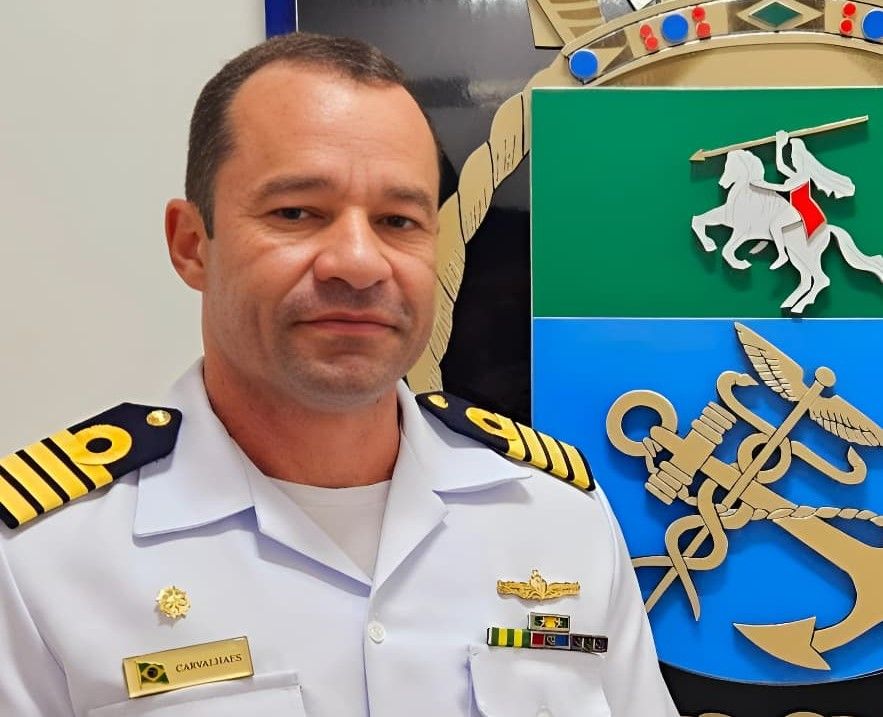
According to André Carvalhaes, commander of the CFaoc, whenever an accident occurs, the maritime authority is required to open a Navigation Accident and Incident Inquiry (IAFN) to determine its causes. “The Navy has been studying these accidents, seeking in an exhaustive and technical manner to identify exactly which factors contributed to them. For example, during the dry season, both the Amazon River and its tributaries change, forming sandbanks, which creates uncertainty in navigation and can catch some waterway operators off guard,” he explains.
INSPECTION
Carvalhaes states that the CFaoc conducts daily inspections at ports, preventing irregular vessels from departing. These efforts are intensified during periods of higher passenger traffic. “In addition, we are implementing 'Conecte-se com Segurança' [Connect with Safety], a prevention program developed in partnership with navigation companies, which encourages waterway operators to be attentive not only to accidents but also to the risk situations that may lead to them. We also carry out campaigns in riverside communities and at ports; when we board vessels, we provide all the necessary guidance,” the commander explains.
NAVSEG APP
Meanwhile, Alexandre Pimentel, captain of the Eastern Amazon Harbormaster’s Office, highlights that, in addition to routine inspections, which include checking operators’ licenses, lifesaving equipment, passenger capacity limits, and navigability conditions, one of the key prevention tools is the NAVSEG App. “It is a free app designed for small and medium-sized vessels, whose main objective is to reduce response time in the event of accidents through trip monitoring. Location sharing enables greater safety,” he states.
Suanne Santos also highlights the Amazon Navigation Safety Program, an initiative of the CPaor. “This program promotes campaigns focused on river safety as well as pollution prevention. It is a project carried out in partnership with communities that live within this riverine environment. Although it has shown modest results so far, it is highly promising in safeguarding the lives of those who travel along Amazonian rivers.”
INSTITUTIONAL PARTNERSHIP
The production of Liberal Amazon is one of the initiatives of the Technical Cooperation Agreement between the Liberal Group and the Federal University of Pará. The articles involving research from UFPA are revised by professionals from the academy. The translation of the content is also provided by the agreement, through the research project ET-Multi: Translation Studies: multifaces and multisemiotics.